Collagen benefits Unraveling the Mysteries of Youth

Collagen benefits

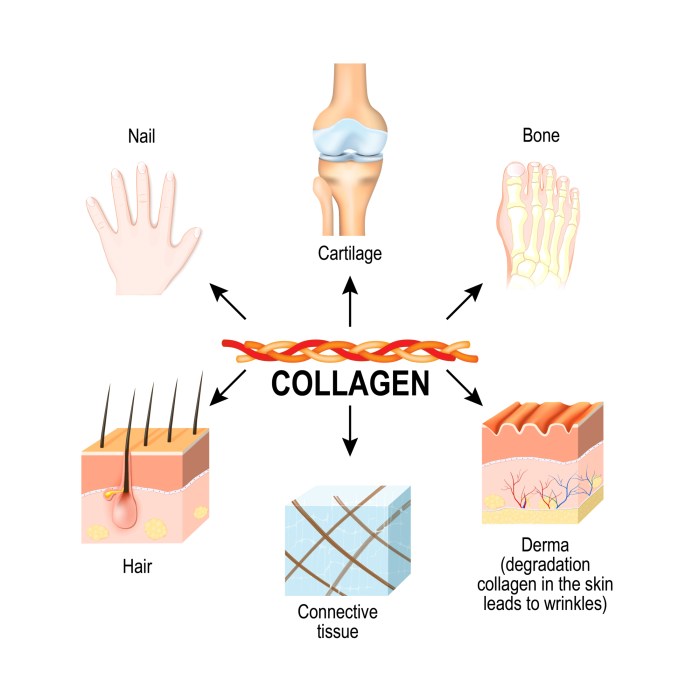
Welcome to the world of collagen benefits, where the fountain of youth might just be a scoop of powder away! Imagine a magical potion that not only keeps your joints dancing and your skin glowing but also potentially keeps your back pain at bay. Collagen is the unsung hero of health and beauty, working tirelessly behind the scenes to support everything from skin elasticity to muscle mass maintenance.

In this whimsical journey, we’ll explore how this protein powerhouse plays a vital role in our health, beauty, and even some surprising conditions. So grab your collagen supplements and let’s dive into the myriad of ways this fabulous fibrous friend can transform your life!

Benefits of Collagen for Health

Picture this: your joints are like a well-oiled machine, your skin resembles a ripe peach, and your muscles are as strong as those of a superhero. Welcome to the wondrous world of collagen, the unsung hero of our health. This magical protein, often overlooked, plays a crucial role in keeping us spry, youthful, and perhaps even ready to tackle that zany dance-off at your cousin’s wedding.

Let’s dive into how collagen supports our health in fabulous ways.

Support for Joint Health and Mobility

Collagen is the glue that keeps our joints and connective tissues intact, ensuring we maintain our flexibility and mobility. Think of collagen as the trusty sidekick to your joints, helping them glide smoothly like a hot knife through butter.

“Collagen comprises about 30% of the body’s protein and plays a pivotal role in joint health.”

As we age, our natural collagen production takes a nosedive, leading to that dreaded creaking sound when you get up from the couch. Supplementing with collagen can help ease joint pain and improve overall joint function. Here’s how:

  • Reduces joint pain and stiffness, making it easier to bust a move.
  • Supports cartilage health, keeping your knees from sounding like a rusty door hinge.
  • Enhances overall mobility, ensuring you can keep up with your kids (or your friends on the dance floor).

Skin Hydration and Elasticity

When it comes to skin, collagen is like that friend who always brings the best snacks to the party – it keeps everything looking fresh and delightful. Collagen helps maintain skin hydration and elasticity, giving you that youthful glow that says, “I definitely drink eight glasses of water a day” (even if you only manage five).

“Collagen is responsible for approximately 70% of skin’s structure, making it essential for a youthful appearance.”

As we age, our collagen levels dwindle, leading to sagging skin and wrinkles. However, incorporating collagen into your diet can provide significant improvements:

  • Improves skin hydration, making you feel like you’ve just stepped out of a spa day.
  • Boosts skin elasticity, helping to keep those fine lines and wrinkles at bay.
  • Promotes a radiant complexion, allowing you to glow like you’ve just returned from a tropical vacation.

Muscle Mass Maintenance

Collagen doesn’t just support our skin and joints; it plays a vital role in maintaining muscle mass too! As we age, we naturally lose muscle mass, which can leave us feeling a bit like a deflated balloon. But fear not! Collagen can help keep our muscles strong and our bodies feeling fabulous.

“Collagen supplementation can enhance muscle mass and strength, especially when combined with resistance training.”

Here’s how collagen contributes to muscle maintenance and growth:

  • Promotes the repair of muscle tissues, ensuring you bounce back faster after workouts.
  • Enhances muscle strength, allowing you to lift that heavy grocery bag without breaking a sweat.
  • Supports overall body composition, helping you feel like your best self, ready to conquer the world (or at least the snack aisle).

Collagen and Specific Health Conditions

Collagen isn’t just a pretty face in the skincare aisle; it’s also making strides in addressing some serious health conditions. This miraculous protein, which is the body’s most abundant, might just be your new best friend when it comes to managing a few pesky ailments. Let’s dive into how collagen can lend a helping hand in specific health conditions.

Collagen and Asthma Symptoms

When it comes to asthma, the airways can feel like a bouncer at an exclusive club—tight and unwelcoming. Collagen may help in softening that bouncer’s grip. Research suggests that collagen can contribute to maintaining the integrity of lung tissue, potentially reducing inflammation and improving lung function.

Studies indicate that collagen peptides can support the respiratory system by

  • Enhancing airway elasticity, which may allow for better airflow.
  • Reducing inflammation by influencing the immune response in the lungs.
  • Providing structural support to the bronchial walls, potentially easing constriction.

Collagen: Helping your lungs breathe a little easier, one peptide at a time!

Collagen and Autism

While collagen might not be a magic wand for autism, some studies are exploring its potential benefits for individuals on the spectrum. Preliminary findings suggest that collagen can play a supportive role in gut health, which is notably important as many individuals with autism experience gastrointestinal issues.

The potential benefits include

  • Supporting gut barrier function, which can lead to fewer digestive disturbances.
  • Providing essential amino acids that might help improve brain function and mood.
  • Enhancing overall protein intake, which is crucial for growth and development.

Collagen: Not a cure, but maybe a helpful sidekick in the quest for better health!

Collagen for Back Pain Relief

If your back is feeling like it’s been through a medieval torture device, collagen could be the knight in shining armor you never knew you needed. Collagen’s role in maintaining spinal health is undeniable, as it’s a key component of cartilage—the body’s natural shock absorber.

Here’s how collagen can contribute to back pain relief

  • Promoting the repair of damaged cartilage, which can alleviate pressure on the spine.
  • Reducing inflammation in spinal tissues, leading to less discomfort.
  • Supporting muscle strength through improved protein synthesis, which aids overall back support.

Collagen: The secret weapon against the tyranny of back pain!

Collagen in Beauty and Aesthetic Procedures
Collagen benefits

Collagen has become the belle of the ball in the beauty industry, strutting its stuff from skincare products to high-end cosmetic procedures. With its fantastic benefits, it’s no wonder everyone wants to get in on the collagen craze. Forget about fairy godmothers; collagen is here to work its magic and rejuvenate our skin like no pumpkin carriage can!

Comparison of Collagen Supplements vs. Cosmetic Surgery for Skin Rejuvenation

When it comes to skin rejuvenation, the choice between collagen supplements and cosmetic surgery often leads to a heated debate. Let’s break it down, shall we?Firstly, collagen supplements are like the reliable friend you can always count on—they’re non-invasive, easy to incorporate into your daily routine, and can provide gradual, yet noticeable results over time. Imagine taking a daily vitamin, but instead of just keeping the doctor away, it’s keeping the wrinkles away too!On the flip side, cosmetic surgery is the equivalent of that friend who makes bold promises: the results are immediate and can be quite dramatic.

However, it comes with a hefty price tag, a bit of pain, and the potential for a few awkward selfies post-procedure.Here’s a quick comparison:

Aspect Collagen Supplements Cosmetic Surgery
Invasiveness Non-invasive Invasive
Cost Affordable Expensive
Recovery Time None Varies
Results Timing Gradual Immediate
Risks Low Higher

In summary, while collagen supplements may take their sweet time to show results, they are the gentle nurturing your skin craves, whereas cosmetic surgery is the quick fix that may just give you that “just walked out of a magazine” look—but be sure to plan for some downtime!

Collagen’s Contribution to Dental Health

Collagen plays a vital role in your dental health, and it’s not just because it sounds fancy when you mention it at parties. It’s the primary protein found in your gums and the support structure of your teeth. Think of it as the secret handshake that keeps everything in your mouth cozy and ready to chew through tough steaks! A lack of collagen can lead to gum disease, tooth loss, and even slow down the healing process after dental procedures.

With adequate collagen levels, you’re not just protecting your pearly whites; you’re also ensuring your gums remain robust and resilient. And here’s a fun fact: collagen helps to create a supportive matrix for your teeth, making them less prone to fractures. So, if you want to bite into that crunchy apple without fear, start loading up on that collagen!

Collagen in Detoxification Processes

Collagen isn’t just a pretty face in the beauty industry; it also plays a significant role in your body’s detoxification processes. Yes, while you’re busy looking fabulous, your body is working hard to flush out toxins, and collagen is lending a helping hand!Collagen supports the gut lining, which is crucial for digestion and preventing those nasty toxins from sneaking into your bloodstream.

It’s like having a bouncer at the club of your intestines, ensuring that only the good stuff gets in while keeping the riffraff out! The amino acids in collagen, particularly glycine, support liver function, which is your body’s primary detox organ. When your liver is happy and functioning well, it makes your detoxification processes much smoother. So, while you’re sipping that collagen-infused smoothie, just know that it’s not only enhancing your beauty but also giving your body a detox boost that would make any spa treatment jealous!

Final Conclusion

Collagen benefits

In conclusion, collagen benefits extend far beyond just a youthful glow; it’s like a multi-talented performer at a talent show, dazzling us with its ability to support joints, hydrate skin, and even assist with certain health conditions. Whether you’re considering supplements or simply wanting to understand this wondrous protein better, it’s clear that collagen deserves a standing ovation in the realm of health and beauty!

FAQ Overview

What is collagen made of?

Collagen is primarily made up of amino acids, including glycine, proline, and hydroxyproline, which help form its unique triple-helix structure.

How can I naturally boost my collagen production?

You can naturally boost collagen by consuming vitamin C-rich foods, bone broth, and leafy greens, as well as staying hydrated and avoiding excessive sun exposure.

Is collagen safe for everyone to use?

Generally, collagen supplements are safe for most people; however, it’s always wise to consult your healthcare provider if you have specific health concerns or allergies.

Can collagen help reduce wrinkles?

Yes! Collagen can help improve skin elasticity and hydration, potentially reducing the appearance of wrinkles over time.

How long does it take to see results from collagen supplements?

Results can vary, but many people start to notice improvements in skin and joint health within 4 to 8 weeks of consistent use.

Back pain remedies that wont break your back!

Pain back remedies

Welcome to the land of back pain remedies, where we explore ways to ease that nagging discomfort that makes you feel like you’ve been wrestling a bear! Just because your back is throwing a tantrum doesn’t mean you need to resort to drastic measures or expensive treatments. We’ll dive into home remedies that can make your spine sing again, the magic of physical therapy, and even some yoga moves that’ll have you twisting like a pretzel—without the pain!

From the cozy comfort of your living room to the soothing mats of yoga studios, relief is just a few stretches away. So, whether you’re dealing with back pain that’s as annoying as a mosquito at a picnic or looking to enhance your flexibility, you’re in for a treat. Let the quest for a pain-free back begin!

Back Pain Remedies

If your back is staging a protest and you’re tired of being the unwilling star of a dramatic saga titled “The Chronicles of Back Pain,” fear not! This guide is packed with remedies that can help alleviate your discomfort faster than you can say “Ouch!” From home remedies to physical therapy and yoga, there are plenty of options to get you back to your regular routine of Netflix binging and heroic couch-sitting.

Home Remedies for Back Pain Relief

Home remedies for back pain can be a game changer, offering relief without the need for a prescription pad. Here are some tried and true methods that can have you feeling like a superhero, ready to take on the world, or at least the laundry.

  • Heat Therapy: Applying a warm compress or heating pad can soothe tight muscles and improve blood flow. It’s like giving your back a cozy blanket—who wouldn’t want that?
  • Cold Therapy: For inflammation or recent injuries, ice packs can help reduce swelling and numb the pain. Think of it as a cool drink for your hot back; refreshing and essential!
  • Epsom Salt Baths: Soaking in a warm bath with Epsom salts can do wonders. Magnesium helps to relax muscles, and you get to enjoy some well-deserved “me” time. Just don’t forget the rubber ducky for moral support!
  • Turmeric and Ginger Tea: Both are natural anti-inflammatories. Brew a cup of this golden goodness and sip your way to relief. You might even feel like a wizard casting healing spells!

Role of Physical Therapy in Treating Back Pain

Physical therapy can be tremendously beneficial for treating back pain, acting as your personal trainer and therapist rolled into one. A physical therapist will not only help you manage pain but also teach you how to avoid it in the future. It’s like having a coach for your back! Here are some key aspects of physical therapy:

  • Customized Exercise Programs: Therapists devise tailored exercise plans focusing on strength, flexibility, and stability. It’s like having a workout buddy who knows all your weak spots!
  • Manual Therapy: This hands-on treatment involves manipulation and mobilization techniques to relieve pain and improve movement. Think of it as a gentle massage from someone who knows what they’re doing—no awkward moments included.
  • Education: Physical therapists teach you about posture, ergonomics, and body mechanics to prevent future injuries, like giving you a cheat sheet for a test you didn’t even know you were taking!

Benefits of Yoga and Stretching Exercises for Back Pain Management

Yoga and stretching exercises have been hailed as effective methods for managing back pain, combining relaxation with flexibility. Not only does yoga help you find your center, but it can also make you feel as limber as a cat. Let’s explore the benefits:

  • Improved Flexibility: Regular practice increases flexibility in the spine and surrounding muscles, making it less likely to stiffen up like a wooden plank. It’s like turning your back into a slinky—much more fun!
  • Strengthening Core Muscles: A strong core supports the back, reducing strain. Think of it as building a fortress around your spine, keeping out unwanted pain!
  • Stress Reduction: Yoga’s focus on breath control and mindfulness can help reduce stress, which is a known trigger for muscle tension. Bye-bye, stress; hello, zen!
  • Posture Improvement: Yoga encourages better posture, which can alleviate and prevent back pain. It’s like having a personal posture police ensuring you sit up straight!

Health and Related Conditions

Pain back remedies natural spine michigan sports center

Back pain is not just a standalone issue; it can be intricately linked with various health conditions, some of which may surprise you. From asthma to obesity and mental health, the factors influencing your back pain are like a crowded subway at rush hour—unexpected and often overwhelming. Let’s dive into the ways these conditions intertwine with back pain, and perhaps share a laugh or two along the way.

Back Pain and Asthma

The connection between back pain and asthma may seem as unlikely as a cat and a dog sharing a bed, but they can both share the same living space—your body. Asthma can lead to discomfort in the back due to the posture adopted during asthma attacks. When gasping for breath, many people tend to hunch over, straining their back muscles.

Furthermore, certain asthma medications, particularly corticosteroids, can contribute to muscle weakness, making those pesky back aches even more pronounced. It’s like giving your back the silent treatment while you’re busy wheezing.

Obesity’s Role in Back Pain

Obesity can be a significant contributor to back pain, acting like an uninvited guest that decides to stay for dinner—and the next few months. The excess weight increases the stress on the spine, affecting its alignment and leading to discomfort. To keep this unwelcome visitor at bay, consider the following prevention strategies:

  • Maintain a Healthy Diet: Eating balanced meals rich in nutrients can help manage weight effectively. Think of it as giving your body the fuel it needs to run without a hitch.
  • Engage in Regular Exercise: Staying active strengthens core muscles, which support the spine. Aim for activities that are low impact, like swimming, walking, or even a dance-off in your living room—just keep it classy!
  • Posture Awareness: Improving posture can significantly reduce back strain. Treat your spine like a delicate piece of art that deserves to be displayed correctly—no slouching allowed!

Mental Health and Back Pain

The relationship between mental health conditions, such as depression, and the perception of back pain is akin to a complicated relationship status—it’s complicated. Individuals experiencing depression often report heightened sensitivity to pain, including back pain. This could be due to the way mental health affects pain perception, making everyday discomfort feel like a full-blown circus act on your spine. Moreover, the stress and tension stemming from mental health issues can lead to muscle tightness, especially in the back.

Picture this: when you’re stressed, your muscles might not know they’re not auditioning for a role in a superhero movie, tightening up like they’re preparing for battle. In light of these connections, it’s imperative to address both physical and mental well-being to manage back pain effectively. After all, it’s best to tackle your back issues with a holistic approach—like a well-rounded breakfast, it’s all about balance!

Integrative Health Approaches

Pain back remedies

When it comes to managing back pain, it’s time to break free from the chains of traditional remedies and explore the whimsical world of integrative health approaches. Imagine a medley of treatments that range from the serene art of acupuncture to the spine-altering wonders of chiropractic care. These alternative treatments can be the secret weapons in your battle against back pain, offering solutions that don’t involve a pharmacy’s worth of pills.

Let’s dive into this treasure chest of natural remedies!

Alternative Treatments for Back Pain

There’s a plethora of alternative treatments that can help soothe your aching back. Each method has its own unique flair, and many of them are as effective as a superhero swooping in to save the day. Here’s a comprehensive list of some popular options:

  • Acupuncture: This ancient Chinese practice involves inserting thin needles into specific points of the body. It’s like a gentle reset button for your pain pathways, promoting natural healing.
  • Chiropractic Care: Chiropractors work wonders on your spine, aligning those vertebrae like perfectly stacked Jenga blocks. Regular adjustments can lead to remarkable improvements in mobility and pain levels.
  • Massage Therapy: Who wouldn’t want a little pampering? Therapeutic massages can relieve muscle tension and improve circulation, giving your back the tender love and care it deserves.
  • Yoga: Not only does yoga improve flexibility, but it also strengthens the core muscles that support your back. Plus, if you can master the downward dog, you can conquer just about anything.
  • Physical Therapy: A tailored exercise program designed by a physical therapist can help strengthen back muscles and improve posture, making you feel like a superhero in no time.
  • Herbal Remedies: Nature has provided us with a plethora of plants that can alleviate pain, such as turmeric and ginger. These little powerhouses might just be the secret ingredients to your pain relief recipe.

Effectiveness of Pharmaceutical Pain Relief Options versus Natural Remedies

When it’s time to choose your pain relief champion, it’s important to weigh your options. Pharmaceutical pain relief options, like NSAIDs and muscle relaxants, can offer quick relief but come with a side of potential side effects. Natural remedies, on the other hand, may work more gradually but often come with fewer complications.

“Natural remedies might not have the speed of a pharmaceutical superhero, but they have the endurance of a tortoise in a race.”

Research shows that combining natural remedies with traditional treatments can enhance overall effectiveness. For example, using chiropractic adjustments alongside anti-inflammatory medications can lead to better outcomes than relying solely on pills. The best approach often lies in a harmonious blend of both worlds.

Importance of Maintaining a Healthy Weight for Preventing Back Pain

Keeping your weight in check is not just a matter of aesthetics; it’s a crucial factor in preventing back pain. Excess weight can place undue stress on your spine, which is like piling on extra baggage while hiking uphill. Maintaining a healthy weight can help reduce this strain and significantly lower your risk of back-related issues.Consider this: every extra pound puts approximately four times the pressure on your lower back.

That’s like carrying around a stubborn toddler all day long! Here’s a guide to why weight management is essential:

  • Reducing Strain: A healthy weight means less strain on the spine and surrounding muscles, leading to a decreased likelihood of injury.
  • Improving Mobility: Lighter bodies tend to be more agile, making it easier to engage in physical activities that strengthen the back.
  • Enhanced Posture: Maintaining a healthy weight can promote better posture, which helps keep back pain at bay.
  • Decreased Inflammation: A balanced diet can lower overall inflammation in the body, contributing to less back pain.

By adopting a lifestyle that promotes a healthy weight, you arm yourself with one of the best defenses against back pain and related health issues.

Final Thoughts

In the grand finale of our back pain remedies saga, we’ve uncovered an arsenal of tricks to tackle that unwelcome backache. Whether it’s through natural home remedies, the wonders of physical therapy, or embracing yoga like a sun salutation guru, the path to relief is paved with options. Remember, a happier back leads to a happier you—so stretch, strengthen, and smile your way to a more comfortable life!

Answers to Common Questions

What are some quick home remedies for back pain?

Try applying a warm compress or using over-the-counter topical ointments. Gentle stretches can also work wonders!

Can I do yoga if I have back pain?

Absolutely! Just make sure to consult a professional and stick to gentle poses that focus on stretching and strengthening.

How does obesity affect back pain?

Extra weight puts more strain on your spine, leading to pain. Maintaining a healthy weight can help ease this pressure.

Is physical therapy necessary for back pain?

Not always, but it can be super effective! A physical therapist can tailor exercises specifically for your needs.

Are natural remedies better than medications?

It depends on the individual! Some prefer natural options for fewer side effects, while others find relief in medications. Always consult a doctor!

Back pain relief Mastering the Art of Aches and Comfort

Back pain relief​

Back pain relief isn’t just a medical necessity; it’s an art form that requires a splash of creativity and a sprinkle of humor. Picture this: you’re walking around like a hunchback after a long day, and suddenly you stumble upon a treasure trove of techniques that promise to turn your back from a cranky villain into a supportive sidekick. Welcome to the enchanting world of back pain relief, where exercises, ergonomic magic, and holistic remedies come together like the Avengers to save your spine from distress!

From discovering the perfect stretches that make you feel like a limber gymnast to understanding how that fancy ergonomic chair could be your new best friend, this journey will equip you with the knowledge to tackle back pain like a pro. Not to mention, we’ll dive into the surprising link between your back and your emotions—because who knew that stress could be a pain in your back?

Back Pain Relief Techniques

Back pain is like that unexpected guest who just won’t leave your living room—uninvited and very annoying. But fear not! There are several techniques to evict that pesky pain and reclaim your comfort. Whether it’s exercises that make you feel like a pretzel, ergonomic furniture that whispers sweet nothings to your back, or holistic remedies that promise to align your chakras and your spine, we’ve got a treasure trove of relief at your fingertips.To start the journey toward a pain-free existence, let’s explore a variety of methods that cater to both the physical and spiritual aspects of back relief.

It’s not just about popping a pill or adopting the “I’ll tough it out” mentality; it’s about embracing a lifestyle that nurtures your back. Here are some methods that can help you on your quest for comfort:

Exercises and Stretches

Incorporating exercises and stretches into your routine is like giving your back a spa day—without the cucumber slices over your eyes, of course. Movement is crucial for relieving tension and strengthening the muscles that support your spine. Here are some key exercises to consider:

  • Cat-Cow Stretch: This yoga pose gets your spine moving like a well-oiled machine. Alternating between arching and rounding your back promotes flexibility and reduces stiffness.
  • Child’s Pose: A classic that feels like a warm hug from your mom. It stretches the spine and relaxes the back muscles, making it a go-to for quick relief.
  • Pelvic Tilts: These are like the hip movements you wish you could exhibit on the dance floor, but in a more functional way. They strengthen your core while easing lower back pain.
  • Bridges: Lying on your back and lifting your hips is not just for impressing your friends with gymnastic moves. It strengthens your glutes and lower back simultaneously.

Ergonomic Furniture

Investing in ergonomic furniture is akin to buying a first-class ticket for your back—it deserves the best! Chairs and desks designed with your body in mind can prevent pain before it even starts. Here’s why ergonomics matter:

  • Chair Height: Your feet should be flat on the floor, not dangling like a toddler in a too-big chair. This alignment reduces strain on your back.
  • Lumbar Support: A chair that cradles your lower back is like a cozy blanket on a cold day. It provides the support needed to maintain your spine’s natural curve.
  • Adjustable Desks: Standing desks are so hot right now. They allow you to alternate between sitting and standing, keeping your spine engaged and happy.
  • Monitor Placement: Your computer screen should be eye level, not a neck-craning horror show. Keeping it at the right height prevents strain on your neck and upper back.

Holistic Approaches

For those looking for a more spiritual path to pain relief, holistic methods like acupuncture and chiropractic care are worth considering. They work wonders by addressing the root causes of discomfort, not just the symptoms.

  • Acupuncture: Think of it as your body’s own version of Wi-Fi—connecting all the right points to get everything flowing smoothly. By inserting fine needles into specific spots, this ancient practice can help relieve pain and improve overall well-being.
  • Chiropractic Care: Regular visits to a chiropractor can be like having a personal trainer for your spine. They manipulate and adjust your back to align your vertebrae correctly and ease pain.
  • Meditation and Mindfulness: Sometimes, mental stress contributes to physical pain. Practicing mindfulness can help you manage stress and reduce the perception of pain, making your back feel a lot lighter.
  • Herbal Remedies: Certain herbs and supplements, like turmeric and ginger, possess anti-inflammatory properties that can aid in reducing back pain naturally.

Health Conditions Related to Back Pain

Back pain is not just a standalone issue; it’s more like that pesky friend who brings along all their other buddies to the party. You might think you’re just dealing with a sore back, but oh no, there’s a whole entourage of health conditions to consider. Let’s dive into the connections between back pain and mental health, discover how asthma can turn your posture into a pretzel, and confront the elephant in the room—obesity.

Mental Health Issues

The mind and body are as intertwined as spaghetti and meatballs, and back pain can have a significant impact on mental health issues like depression and anxiety. When someone is constantly battling discomfort, it can lead to feelings of hopelessness and frustration, creating a vicious cycle of pain and mental strife. According to various studies, about 60% of individuals with chronic back pain also experience depression.

It’s like two unwelcome roommates sharing a tiny apartment—neither wants to be there, but they simply can’t get away from each other.

“Pain is inevitable, but suffering is optional.”

Asthma and Back Pain

Asthma isn’t just about wheezing and inhalers; it can also exacerbate back pain in ways you might not expect. During an asthma attack, breathing difficulties can lead individuals to adopt awkward postures—think of someone doing a weird dance while gasping for air. These positions can strain the back muscles, leading to discomfort and pain. The alteration in your breathing pattern can make your back feel like it’s auditioning for a role in a series of unfortunate events.Additionally, the act of taking shallow breaths can tighten the muscles in the chest and back, further contributing to discomfort.

Being stuck in a coughing fit while trying to navigate daily life is like being in a game of Twister without the fun. It’s essential for asthmatics to manage their symptoms effectively to limit these unwanted back woes.

Obesity and Back Pain

When it comes to back pain, obesity is like that extra weight on a seesaw—throwing everything off balance. Carrying excess pounds can put additional stress on the spine and the surrounding muscles, leading to pain and discomfort. In fact, research indicates that obese individuals are at a significantly higher risk for developing chronic back pain compared to those with a healthy weight.

Understanding this impact is vital when discussing prevention and management strategies. Here are some crucial points to consider:

  • Weight Management: Maintaining a healthy weight reduces the strain on the back, so steering clear of that extra slice of pizza might save you from future pain.
  • Regular Exercise: Low-impact activities like swimming or walking can strengthen muscles without putting too much pressure on the back.
  • Core Strengthening: A strong core is like having a superhero sidekick for your spine, providing support and stability.
  • Posture Awareness: Keeping an eye on your posture while sitting or standing can significantly reduce discomfort and help maintain spinal alignment.

Blending mindful eating, exercise, and proper posture can be your trifecta for back pain prevention. And who wouldn’t want to be a back pain-fighting superhero?

Lifestyle Choices for Back Health

Back pain relief​

In the quest for a pain-free back, lifestyle choices play a pivotal role. Just like you wouldn’t fuel a Ferrari with soda, our spines require the right mix of movement, nutrition, and preventive care to stay in top shape. This guide dives into daily routines that keep your back flexible and strong while also covering dietary choices that make your spine sing with joy.

Let’s get into some spine-tingling insights!

Daily Routine for Improved Back Health

Creating a daily routine that incorporates exercises and healthy habits can be the difference between a strong back and one that feels like a creaky old door. Here are some key components to consider for your daily regimen:

Morning Stretching

Start your day with a quick 10-minute stretch session. Think of it as a gentle wake-up call for your spine! Simple stretches like the cat-cow pose or spinal twists can do wonders.

Posture Check

Throughout the day, maintain awareness of your posture. Keep your shoulders back and your head aligned with your spine. If you catch yourself slouching, stand tall like you just spotted your favorite pizza!

Regular Breaks

If your job involves sitting for long periods, set a timer to remind yourself to get up and move every hour. A quick stroll can work wonders—plus, it gives you a chance to snack on that leftover donut guilt-free.

Strengthening Exercises

Incorporate core-strengthening exercises into your week. Planks and bird-dogs are excellent choices to support your back and prevent pain.

Dietary Choices for Spine Health

The foods you consume can impact your back health significantly. A diet rich in nutrients can bolster your spine’s durability and reduce inflammation. Here’s what to consider:

Calcium and Vitamin D

Essential for bone strength. Include dairy products, leafy greens, and fortified foods in your diet. Think of it as giving your bones a spa day!

Omega-3 Fatty Acids

Found in fish like salmon and flaxseeds, these bad boys help reduce inflammation. Pairing fish with a side of quinoa is a delicious way to treat your back.

Antioxidants

Colorful fruits and vegetables (think berries, spinach, and carrots) provide antioxidants that can combat oxidative stress. A vibrant plate is not just appealing—it’s a mini celebration for your spine!

Hydration

Water is vital for maintaining spinal disc hydration. Staying hydrated is the secret sauce to keeping those discs juicy and happy!

Preventative Measures Against Back Pain

Different age groups require tailored approaches to prevent back pain effectively. Here’s an overview of preventative measures for children and seniors:

For Children

Encourage active play and proper backpack use to protect their developing spines. Regular sports participation helps cultivate strong muscles supporting the back.

For Seniors

Focus on gentle exercises like walking, tai chi, or yoga to enhance flexibility and strength. Balance exercises are crucial to avoid falls, which can lead to back injuries.

“An ounce of prevention is worth a pound of cure—especially when it comes to keeping your back healthy!”

By adopting these lifestyle choices, you’re not just investing in your back health; you’re also paving the way for a more energetic and enjoyable life. Whether you’re a child or a senior, there are opportunities at every stage to nurture and protect your spine. So let’s stretch, strengthen, and snack our way to a healthier back!

Last Word

Back pain relief​

As we conclude our delightful escapade through the maze of back pain relief, remember that a happy back is a happy life! Armed with insights into techniques, lifestyle choices, and the sneaky connections between your back and mental health, you have all the tools you need to become the hero of your own backache saga. So go forth, implement those stretches, embrace a healthier lifestyle, and remember that every little effort counts on this quest for back bliss!

Questions and Answers

What are some quick exercises for back pain relief?

Simple exercises like knee-to-chest stretches and cat-cow poses can work wonders to relieve tension in your back.

How can I improve my posture at work?

Ensure your chair supports your lower back and keep your computer screen at eye level to avoid slouching.

Can stress really cause back pain?

Absolutely! Stress can lead to muscle tension, which might make you feel like a pretzel, so managing stress is key.

Is it safe to exercise with back pain?

Generally, yes! Low-impact activities like walking or swimming can be beneficial, but always consult a doctor first.

How does weight affect back pain?

Extra weight can put additional strain on your back, so maintaining a healthy weight can help alleviate pain.

Autism parents​ Navigating the Quirky Journey Together

Autism parents​

Welcome to the wild, wacky world of Autism parents​, where bedtime stories turn into epic sagas and grocery shopping feels like navigating a maze! Parenting a child on the autism spectrum is like being in a superhero movie—complete with challenges, laughter, and the occasional villain known as “stress.” Buckle up, because this rollercoaster ride includes emotional twists, health considerations, and a roadmap through the supportive community that makes this journey a bit more manageable.

From understanding the emotional rollercoaster that comes with daily routines to discovering the crucial health considerations that keep parents feeling like they can leap tall buildings in a single bound, we’re diving deep. Plus, we’ll reveal how to build a supportive network that rivals the Avengers in both strength and camaraderie!

Understanding Autism in Parents

Family dysfunction change based community

Parenting a child with autism is a journey filled with unique challenges, profound joys, and a sprinkle of chaos that can sometimes feel like navigating a rollercoaster while blindfolded. The emotional impact on parents can be substantial, as they often experience a whirlwind of feelings ranging from love and pride to worry and frustration. Embracing this complex emotional landscape is crucial for parents, as it ultimately shapes their approach to nurturing and supporting their child.Daily routines can resemble a high-stakes game of Tetris, where every piece (or task) needs to fit perfectly to avoid a meltdown—or a mess! Parents of children with autism frequently face challenges related to communication, sensory sensitivities, and social interactions.

These challenges can complicate even the simplest activities, from grocery shopping to playdates, often requiring strategies that may seem unconventional to outsiders.

Emotional Impact of Parenting

The emotional journey of an autism parent is akin to riding the emotional equivalent of a rollercoaster, with peaks of joy and valleys of stress. Parents can often feel overwhelmed, and acknowledging their feelings is essential. Here are some common emotional responses:

  • Feelings of isolation can creep in as parents may feel like they’re the only ones experiencing these challenges.

  • Guilt often looms large; parents may question their decisions or feel they could be doing more for their child.

  • Moments of profound joy and pride arise from their child’s achievements, no matter how small.

Recognizing these emotions is not only healthy but necessary for moving forward. It’s vital for autism parents to seek support—whether through friends, family, or support groups—because laughter, as they say, is the best medicine (next to chocolate, of course!).

Common Challenges in Daily Routines

Every day can feel like a new mission, complete with intricate logistical challenges. Daily routines may become daunting, and understanding these common hurdles can help parents prepare better:

  • Transitions between activities often lead to resistance, causing meltdowns or stress for both the child and the parent.

  • Social gatherings can be overwhelming, with sensory overload presenting a significant challenge.

  • Communication barriers can complicate everyday tasks, leading to frustration for everyone involved.

Arming themselves with knowledge about these challenges allows parents to strategize and create a more harmonious environment at home and in public spaces.

Strategies for Managing Stress and Mental Health

Taking care of one’s mental health is crucial when parenting a child with autism. Here are some practical strategies that can help parents maintain their sanity amidst the beautiful chaos:

  • Establishing a routine can provide both parents and children with a sense of predictability and stability.

  • Mindfulness practices, like yoga or meditation, can help parents find their center amidst the storm.

  • Connecting with other parents through support groups can foster a sense of community and shared understanding.

  • Regular self-care—whether a quiet bath or a night out—can recharge batteries and improve overall well-being.

These strategies ensure that parents not only survive the daily ups and downs but thrive as they navigate the rewarding, albeit challenging, journey of parenting a child with autism.

Health Considerations for Autism Parents

Navigating the world of autism can be like trying to assemble IKEA furniture without the manual. It’s both rewarding and bewildering, especially when it comes to health considerations. Parents often find themselves juggling the emotional rollercoaster that comes with autism while managing their physical well-being. Here, we delve into the intertwining of mental and physical health, showcasing the importance of self-care amidst the chaos.

Connection Between Autism and Mental Health Issues

The relationship between autism and mental health is akin to a game of Jenga: one wrong move, and everything may come crashing down. Parents of children with autism often experience higher levels of stress, anxiety, and depression. This can stem from the daily challenges faced, such as managing sensory issues, navigating educational systems, or just ensuring that your little one has enough dinosaur-shaped chicken nuggets to survive the day.Studies reveal that around 40% of parents of children with autism experience depressive symptoms, highlighting the need for mental health support.

It’s crucial for parents to recognize the signs of mental health struggles and reach out for help. This can include therapy, support groups, or simply finding an understanding friend to vent to over a cup of coffee (or, let’s be real, a glass of wine).

Importance of Physical Health

Physical health can often take a backseat when you’re busy being a superhero parent. However, managing physical ailments can significantly impact your ability to parent effectively. One common issue among parents is back pain; the kind that sneaks up on you after lifting your child or bending down to grab that elusive crayon from under the couch. Here are some considerations for managing physical health effectively:

  • Regular Exercise: Incorporating simple exercises can help alleviate back pain, boost your mood, and keep you energized. Even a 15-minute walk can work wonders.
  • Posture Awareness: Paying attention to your posture while lifting your child or working can prevent those pesky backaches. Remember, lifting with your legs and not your back is key!
  • Stretching: Simple stretches can relieve tension in your back and neck. A good morning stretch could make all the difference between a grumpy morning and a bright, sunny start.
  • Seeking Professional Help: If pain persists, don’t hesitate to consult a physiotherapist. They can tailor a program to fit your specific needs, giving you the power to lift both your child and your spirits.

Impact of Asthma on Families with Children on the Autism Spectrum

When you have a child with autism, every little challenge can feel like a mountain. Asthma management adds another layer to this already complex landscape. Asthma can exacerbate the stress already felt by parents, especially when it comes to taking care of a child who may have difficulty communicating their needs during an asthma attack.Families often have to navigate environmental triggers, medication management, and emergency plans, all while ensuring the child’s comfort and understanding.

Here’s how asthma can influence family dynamics:

  • Emergency Preparedness: Parents must be aware of their child’s asthma triggers and have an action plan in place. This reduces anxiety and helps manage unexpected flare-ups.
  • Coordination of Care: Frequent visits to healthcare providers can add to the scheduling chaos. It’s essential to keep open lines of communication with teachers, caregivers, and medical professionals.
  • Education and Advocacy: Teaching your child about their asthma empowers them and helps parents feel more secure in their child’s independence.
  • Support Networks: Connecting with other families facing similar challenges can provide both practical advice and emotional support, because let’s face it, sometimes you just need to hear, “You’re not alone in this!”

Community and Resources for Autism Parents

Autism parents​

Navigating the world of autism can feel a bit like being a pirate searching for buried treasure—exciting, a little daunting, and sometimes you just need a good map. For parents of children with autism, finding a robust community and reliable resources can turn the treasure hunt into a less choppy voyage. The following sections will shine a spotlight on organizations dedicated to supporting autism families and provide guidance on building a strong support network.

Supportive Organizations for Autism Parents

There are many organizations out there that provide invaluable support and resources for autism parents. Here’s a treasure chest of go-to groups that can help on this journey:

  • Autism Society
    -A national organization that provides information, advocacy, and support for individuals with autism and their families.
  • Autism Speaks
    -Focused on promoting solutions for individuals with autism, this organization offers resources and a wealth of educational material.
  • National Autism Association
    -This association emphasizes safety and support for families, including resources for navigating school systems.
  • CDC’s Learn the Signs
    -The Centers for Disease Control and Prevention provide resources aimed at helping parents recognize developmental milestones.
  • Local Autism Support Groups
    -Many towns have local groups or chapters that can offer in-person support and community bonding.

Building a Support Network

Creating a support network is like assembling your own superhero team—each member brings unique powers to help tackle the challenges of parenting a child with autism. Here are some methods to form that dynamic squad:

  • Attend local workshops and seminars to meet other parents facing similar challenges.
  • Join online forums or social media groups focused on autism parenting to share experiences and advice.
  • Participate in community events or activities that are welcoming to families with autism.
  • Consider reaching out to local autism organizations for introductions to other families.
  • Host playdates or coffee meet-ups to get to know other parents personally.

Resources for Developmental Disabilities

The world of developmental disabilities is vast, and there are numerous resources available to aid in educational and therapeutic needs. Understanding these can help parents navigate their child’s unique journey:

  • Individualized Education Programs (IEPs)
    -Collaborating with schools to create tailored education plans that address specific needs.
  • Therapeutic Resources
    -Access to speech therapy, occupational therapy, and behavioral therapy tailored for autism.
  • Assistive Technology
    -Tools like communication devices or apps can be game-changers for enhancing communication.
  • Parent Training Programs
    -Workshops that equip parents with strategies to support their child’s development effectively.
  • Respite Care Services
    -Temporary care options that give parents a much-needed break while ensuring their child is in safe hands.

Closing Notes

So, as we wrap up our exploration of Autism parents​, remember that while the cape may not always fit perfectly, every day is an opportunity to embrace the quirks and celebrate the victories—big and small. With a dash of humor, a sprinkle of perseverance, and a whole lot of love, this journey is not just about overcoming challenges; it’s about discovering the extraordinary in the everyday.

Let’s keep cheering each other on, because together, we can conquer it all!

FAQ Insights

What is the emotional impact of parenting a child with autism?

The emotional impact can be significant, including feelings of stress, isolation, and anxiety, but also immense joy and pride in their child’s achievements.

What are common challenges faced by autism parents?

Challenges include managing daily routines, coping with sensory overload, and navigating social situations, which can sometimes feel like a game of dodgeball!

How can autism parents manage stress effectively?

Parents can manage stress through self-care practices, connecting with support groups, and finding humor in the chaos of daily life.

Are there specific health considerations for autism parents?

Yes, autism parents often face mental health issues like depression and anxiety, and physical issues such as back pain due to the demands of caregiving.

What resources are available for autism parents?

There are numerous resources including local support groups, educational tools, therapies, and online communities that offer guidance and camaraderie.

Autism awareness​ Unveiling the Spectrum of Support

Autism awareness​

Autism awareness​ is like a superhero cape for understanding, shining a light on the colorful spectrum of autism and all its quirks and perks. This month-long celebration ignites community engagement and fosters acceptance, proving that knowledge truly is power!

With autism diagnoses on the rise, the need for awareness initiatives becomes as clear as a bell. Statistics show that 1 in 36 children is diagnosed with autism, making it more crucial than ever to illuminate the path toward inclusivity and compassion. From successful campaigns that have transformed perceptions to grassroots movements, the journey of autism awareness is an inspiring tale of triumph.

Understanding Autism Awareness

Autism awareness month symbol starts safety national devices enabling blog puzzle

Autism Awareness Month is like a giant spotlight shining on the intricacies of autism spectrum disorder (ASD), highlighting the need for understanding, acceptance, and support. Celebrated every April, this month serves as a reminder to communities about the importance of inclusion and advocacy for individuals with autism. It’s not just about wearing blue; it’s about embracing the spectrum in all its colorful glory!The prevalence of autism is noteworthy.

According to the CDC, approximately 1 in 44 children is diagnosed with ASD, a statistic that underscores the critical need for comprehensive awareness initiatives. These numbers aren’t just digits; they represent real children, families, and communities. Awareness campaigns can significantly impact public perception by fostering understanding and empathy, proving that knowledge is as powerful as a superhero cape!

Statistics on Autism Prevalence

Understanding the statistics surrounding autism is essential for grasping the scope of its impact on society. The following key points illustrate the importance of these figures:

  • The CDC’s 2020 report indicated that the estimated prevalence of autism has significantly increased over the past few decades, with a marked rise in diagnosis among children.
  • Studies show that autism occurs in all racial, ethnic, and socioeconomic groups, indicating that awareness and resources must be universally accessible.
  • The gender ratio reflects that boys are about four times more likely to be diagnosed with ASD than girls, prompting discussions about potential biases in diagnostics.
  • Early intervention is crucial, as research suggests that effective treatments can lead to significant improvements in communication, social skills, and learning.

Awareness initiatives have the power to bridge gaps in understanding and provide support not only for individuals with autism but also for their families and communities.

Successful Awareness Campaigns

Many successful autism awareness campaigns have paved the way for changing public perception and fostering a more inclusive society. Here are a few shining examples that showcase the power of collective efforts:

  • The “Light It Up Blue” campaign, initiated by Autism Speaks, encourages people to wear blue and illuminate buildings with blue lights, symbolizing support for individuals with autism.
  • The “I Am Autism” campaign emphasizes the unique experiences of individuals on the spectrum, shifting the dialogue from focusing solely on challenges to celebrating strengths and abilities.
  • Local community events, such as autism awareness walks and informational fairs, have been effective in bringing people together, promoting understanding, and raising funds for local autism support programs.

These campaigns and initiatives demonstrate how creativity and community spirit can drive significant change, fostering a more inclusive environment for individuals with autism. It’s about turning awareness into action, one blue light at a time!

Health Implications of Autism

Understanding the health implications of autism is crucial because they can impact daily living and long-term well-being. Beyond the characteristic behaviors associated with autism, individuals may also experience a range of health issues that warrant attention. These can include not only mental health challenges but also physical health conditions such as asthma and allergies, which tend to be more prevalent in autistic individuals.

Let’s dive into these connections and identify some effective strategies for promoting health and wellness in those with autism.

Connection Between Autism and Associated Health Issues

Research shows that children with autism are at a higher risk for various health complications, including asthma and allergies. For instance, studies indicate that the prevalence of asthma in children with autism is significantly higher compared to their neurotypical peers. The exact reasons behind this correlation are still being explored, but it may relate to immune system differences or environmental factors.

It’s crucial to understand the underlying health issues in autistic individuals to provide comprehensive care.

Similarly, allergies, whether they be food allergies or environmental allergies, also appear to be more common among those on the autism spectrum. Managing these conditions effectively requires a proactive approach, including regular health check-ups and developing a tailored action plan to address these issues.

Childhood Obesity Prevention Strategies

Preventing childhood obesity is vital for all children, but it requires special adaptations for children with autism. Many autistic children may have sensory sensitivities that can affect their eating habits and physical activity levels. Strategies for promoting healthy weight in these children should consider their unique needs.For instance, creating a structured routine around meal times can help establish a sense of security and predictability.

Incorporating sensory-friendly foods that appeal to their palate can also encourage a more balanced diet. Additionally, promoting physical activity through fun, engaging ways—like dance, swimming, or even interactive video games—can increase participation without overwhelming them.

Health and Wellness Practices for Individuals with Autism

A holistic approach to health and wellness can benefit individuals with autism significantly. This includes a focus on both physical activity and nutrition. The following practices can foster overall health and well-being:Regular Physical Activity: Engaging in physical activities tailored to interests can improve fitness levels and mental health. Activities like yoga and martial arts can also enhance focus and self-discipline.Nutrition: A balanced diet rich in vitamins and minerals supports cognitive function.

Including foods high in omega-3 fatty acids, such as fish and flaxseeds, can be particularly beneficial.Routine Check-ups: Regular medical and dental visits are essential for monitoring and managing any associated health conditions. Social Skills and Interaction: Encouraging social activities can promote emotional well-being and help develop communication skills.Mindfulness and Relaxation Techniques: Practices such as deep breathing and meditation can help reduce anxiety and improve emotional regulation.

Health and wellness practices are not merely beneficial; they are essential for thriving in daily life.

By implementing these strategies, caregivers and families can help individuals with autism lead healthier, more fulfilling lives, mitigating health risks and enhancing overall well-being.

Supporting Individuals with Autism

Creating an inclusive environment for individuals with autism is like finding the perfect pair of socks: it takes a little effort, but once you do, you realize it’s a game-changer! Just like a well-coordinated outfit, fostering understanding and support can help individuals with autism shine in schools and workplaces. Here’s how we can roll out the welcome mat for everyone!

Creating Inclusive Environments

Establishing inclusive environments in schools and workplaces is crucial for individuals with autism to thrive. The following strategies can help pave the way for understanding and acceptance:

  • Flexible Communication: Implement diverse communication methods, including visual aids and assistive technology, to bridge the communication gap. Think of it as using emojis when texting – sometimes words just don’t cut it!
  • Structured Routine: Create predictable schedules to reduce anxiety and enhance comfort. Imagine walking into a coffee shop and knowing exactly what to expect – that’s the kind of security we aim for!
  • Sensory-Friendly Spaces: Designate quiet areas equipped with calming tools for those sensory overload moments. Picture a cozy reading nook that feels like a comforting hug on a bad day.
  • Staff Training: Provide training for educators and colleagues to foster awareness and understanding of autism. It’s like giving them a superhero cape – they’ll be equipped to support individuals effectively!

Strategies for Families and Caregivers

Supporting the mental health of individuals with autism is paramount, and families and caregivers play a key role. Here are strategies that can help create a nurturing environment:

  • Open Communication: Encourage honest conversations about feelings and experiences. It’s like opening a window on a sunny day – fresh air is essential!
  • Routine and Predictability: Establish consistent daily routines to provide a sense of stability. Think of it as a favorite recipe – everyone knows what’s coming, and it’s comforting!
  • Encourage Interests: Support hobbies and passions; they can be therapeutic! Whether it’s building model rockets or painting, it’s like finding the ultimate joyride on a rollercoaster!
  • Seek Professional Help: Don’t hesitate to reach out to mental health professionals when needed. They’re like GPS for navigating life’s tricky roads.

Resources for Dental Care and Health Needs

Accessing dental care and addressing critical health needs can be daunting for individuals with autism. Fortunately, there are resources out there that can make this journey smoother:

  • Specialized Dental Practices: Seek out dental offices that specialize in treating individuals with autism. These practices often have trained staff and tailored approaches that can ease anxieties.
  • Health Support Programs: Check local health departments for programs specifically designed to assist individuals with disabilities. It’s like having a personal concierge for health needs!
  • Visual Schedules for Dental Visits: Create visual schedules to prepare for dental appointments. Think of it as a map leading to the treasure chest of a healthy smile!
  • Advocacy Groups: Connect with advocacy organizations for resources and support. These groups are like friendly guides on an adventure, ready to help navigate the world of health care!

Creating inclusive environments and supporting mental health not only benefits individuals with autism but enriches our communities as a whole!

Closing Summary

Autism awareness​

In conclusion, embracing autism awareness​ is not just an annual event; it’s a lifestyle choice to support and understand individuals on the spectrum. With the right knowledge, inclusive environments, and a sprinkle of compassion, we can all contribute to a world where everyone, regardless of their differences, can thrive.

Question & Answer Hub

What is autism awareness?

Autism awareness is the effort to educate people about autism spectrum disorders, promoting understanding and acceptance within communities.

Why is Autism Awareness Month important?

It raises awareness about autism, encourages dialogue, and supports individuals and families affected by autism.

How can I help with autism awareness?

You can volunteer, donate, share information, or simply educate yourself and others about autism.

What are common misconceptions about autism?

One common misconception is that all individuals with autism are nonverbal; in reality, autism presents in many forms and abilities.

How can workplaces support employees with autism?

Implementing inclusive policies, providing training for staff, and creating a supportive environment can greatly benefit employees with autism.

Severe asthma A breath of fresh humor in a tough topic

Severe asthma

Welcome to the wild world of severe asthma, where wheezing and gasping might be the most dramatic plot twists in your daily life! It’s like your lungs decided to throw a party, but forgot to send out the invites, leaving you to navigate the swirling chaos of triggers and symptoms. Fear not, for this is a journey of understanding severe asthma that mixes facts with a healthy dose of humor!

Severe asthma isn’t just the occasional huff and puff; it can be a formidable foe with its symptoms that can strike like a surprise thunderstorm. From the sneaky triggers lurking behind everyday activities to the latest research that unveils how it affects not just breathing, but living, we’ll dive into the details that make this condition both serious and, dare I say, fascinating!

Understanding Severe Asthma

Severe asthma

Severe asthma is not your average case of the sniffles; it’s more like a high-stakes game of hide and seek with your breath. Those battling severe asthma often find themselves grappling with symptoms that can make even the most mundane tasks feel Herculean. Understanding these symptoms and triggers is crucial for effective management and for reclaiming one’s life from the clutches of this condition.

Let’s dive into the nitty-gritty, shall we?

Symptoms and Triggers of Severe Asthma

Symptoms of severe asthma can range from mildly annoying to incredibly intense, often catching people off guard. Key symptoms include:

  • Wheezing, which sounds like a rusty gate trying to get some exercise.
  • Shortness of breath, especially during activities that should be as easy as pie.
  • Frequent coughing, particularly at night or early in the morning, turning nighttime into a mini concert.
  • Chest tightness that may feel like a boa constrictor has taken a liking to your midsection.

Triggers can vary widely from person to person but can include:

  • Allergens such as pollen, dust mites, and pet dander — basically, anything that might make you sneeze.
  • Cold air, because who doesn’t love a frosty blast?
  • Exercise, which can turn into a real breath-stealer if you’re not careful.
  • Respiratory infections that seem to pop up just when you think you’re in the clear.

Understanding these triggers can help individuals avoid situations that might lead to an asthma attack, allowing for a more vibrant life.

Types of Asthma and Severity Levels

Asthma is not a one-size-fits-all condition and comes in various flavors, each with its unique characteristics and severity levels. Here are the main types:

  • Intermittent Asthma: This is like having a mild case of the hiccups — annoying, but not life-threatening.
  • Persistent Mild Asthma: More frequent symptoms but still manageable with a little help from your friends (like inhalers).
  • Persistent Moderate Asthma: Symptoms here feel like someone is stepping on your chest, requiring daily medication to keep it at bay.
  • Persistent Severe Asthma: This is the heavyweight champion, with symptoms that can be relentless and require a comprehensive treatment plan.

The categorization helps in tailoring treatment plans that can effectively tackle the individual challenges posed by each type.

Latest Research Findings on Severe Asthma

Recent studies have shed light on the complexities of severe asthma, revealing its profound impact on daily life and the innovative approaches being developed to manage it. Research now emphasizes:

  • Biologics, which are fancy medications tailored to target specific pathways in the immune response, like a sniper taking out asthmatic foes.
  • Personalized medicine that means no two treatment plans are alike, based on genetic and environmental factors.
  • The significance of understanding the mental health aspect, as living with severe asthma can lead to heightened anxiety and depression — because life should really come with a manual, right?

With these advancements, the future for those with severe asthma is looking brighter, making it easier to breathe easy and enjoy life more fully, one breath at a time.

Health Connections

Severe asthma isn’t just a respiratory drama; it can also be a ticket to a variety of health conditions that can make one feel like they’re in a never-ending game of whack-a-mole. With connections to issues like depression and obesity, severe asthma has a way of affecting more than just those pesky lungs. Let’s dive into how this condition plays connect-the-dots with our mental health and overall well-being.

Relationship with Depression and Obesity

The intertwining of severe asthma with depression and obesity is like a three-legged race where no one wants to win. The struggle with severe asthma can lead to emotional turmoil, and it’s not uncommon for folks to find themselves feeling blue. The constant battle for breath can lead to feelings of frustration, helplessness, and anxiety, potentially spiraling into depression. On the flip side, obesity can make asthma worse, creating a vicious cycle.

Extra pounds can lead to inflammation and make breathing even more difficult, while the inability to participate in physical activities – thanks to asthma – can contribute to weight gain. Here’s a closer look at how these conditions connect:

  • Depression: Chronic illness often leads to social isolation and a decrease in physical activity, which can further exacerbate feelings of sadness and hopelessness.
  • Obesity: The added weight can put more strain on the respiratory system, making asthma management more difficult and leading to worsening symptoms.
  • Quality of Life: The combination of these factors can significantly impair overall quality of life, making everyday activities feel like climbing Mount Everest.

Affect on Mental Health

Severe asthma’s impact on mental health is profound and deserves a spotlight. Living with this condition can feel like a relentless rollercoaster ride, often leaving individuals with anxiety about when the next asthma attack will strike. This uncertainty can lead to chronic stress and can manifest in several ways:

  • Increased Anxiety: The fear of an asthma attack can lead to heightened anxiety levels, making it tough to relax and enjoy life.
  • Social Withdrawal: Individuals may avoid social situations or physical activities due to fear of exacerbating their symptoms, leading to feelings of loneliness.
  • Low Self-Esteem: Managing a chronic illness can impact self-image and confidence, particularly in children and adolescents.

Health Risks in Children vs. Adults

When it comes to severe asthma, children and adults face different health risks, reminiscent of two different playing fields. Children may be more vulnerable to the social and developmental impacts of asthma, while adults may deal with complications that can affect their work and daily responsibilities. Here’s a quick breakdown of the nuances:

  • Children: Asthma can interfere with physical activities and school attendance, which can hinder social development and academic performance.
  • Adults: Severe asthma can lead to chronic complications such as frequent hospital visits and can also affect work productivity, creating a cycle of stress and health issues.
  • Long-Term Effects: Both groups can face long-term respiratory damage if severe asthma remains uncontrolled, but the emotional and psychological toll may manifest differently based on age and life stage.

Severe asthma is not just a lung issue; it’s a full-body experience that connects physical and mental health in intricate ways.

Management and Treatment Options

Severe asthma

Severe asthma can often feel like you’re battling an invisible foe—one that can sneak up on you when you least expect it. Fortunately, there are numerous management and treatment options available, ensuring that you can outsmart your asthma, one step at a time. Here, we’ll break down the main therapies, lifestyle tweaks, and medication techniques to help you breathe easier and live life to its fullest.

Treatment Options for Severe Asthma

Managing severe asthma typically involves a combination of medications and therapies designed to reduce inflammation and prevent attacks. Here’s a comprehensive list of the treatment options available:

  • Inhaled Corticosteroids: These medications reduce inflammation in the airways and are often considered the cornerstone of asthma management.
  • Long-Acting Beta-Agonists (LABAs): Often prescribed alongside inhaled corticosteroids, these help relax the airway muscles for up to 12 hours.
  • Leukotriene Modifiers: These oral medications reduce inflammation and mucus production, helping keep asthma symptoms at bay.
  • Biologics: Targeted therapies such as monoclonal antibodies can be highly effective for severe asthma, addressing specific pathways involved in inflammation.
  • Oral Corticosteroids: Used for short bursts during severe flare-ups or chronic inflammation, they can help quickly tame stubborn symptoms.
  • Bronchodilators: Short-acting bronchodilators provide quick relief and are often referred to as “rescue inhalers.”
  • Omalizumab: A biologic used for allergic asthma, it reduces the immune system’s response to allergens.

Lifestyle Changes and Preventative Measures

Incorporating lifestyle changes and preventative measures can significantly improve asthma management. These adjustments can help minimize triggers and enhance your overall health.

  • Avoid Triggers: Identify and steer clear of common asthma triggers, such as smoke, dust mites, or pet dander. Keeping a clean and allergen-free environment can be a game-changer.
  • Regular Exercise: Engaging in moderate physical activity can strengthen your lungs, but it’s crucial to choose asthma-friendly workouts and consult with your doctor first.
  • Healthy Diet: Consuming a balanced diet rich in fruits, vegetables, and omega-3 fatty acids can help reduce inflammation. Think of it as giving your lungs their very own superhero squad!
  • Stay Hydrated: Drinking plenty of water can help thin mucus in your airways, making it easier to breathe.
  • Manage Stress: High-stress levels can exacerbate asthma. Techniques such as yoga, meditation, or deep breathing exercises can help keep your cool.
  • Regular Check-ups: Maintaining routine visits with your healthcare provider ensures that your asthma management plan remains effective and tailored to your needs.

Effective Use of Inhalers and Medications

Understanding how to use inhalers and other medications effectively is crucial for maximizing their benefits. Here’s a guide to ensure you’re using your inhalers like a pro:

  • Step 1 – Shake Well: Always shake your inhaler (unless it’s a spacer) to mix the medication properly.
  • Step 2 – Breathe Out: Exhale fully to empty your lungs before taking a puff; this helps to maximize the medication’s delivery.
  • Step 3 – Positioning: Hold the inhaler upright, place the mouthpiece in your mouth, and seal your lips around it, ensuring a snug fit.
  • Step 4 – Inhale Slowly: As you press down on the inhaler, inhale deeply and slowly to draw the medication into your lungs.
  • Step 5 – Hold Your Breath: After inhaling, hold your breath for about 10 seconds to allow the medication to settle.
  • Step 6 – Rinse and Repeat: If you have to take multiple puffs, wait about 30 seconds to a minute between puffs, and remember to rinse your mouth after using corticosteroid inhalers to prevent thrush.

“Proper inhaler technique can make all the difference between gasping for air and enjoying a brisk walk!”

Concluding Remarks

So there you have it, folks! Severe asthma may seem like an unwelcome guest crashing your healthy lifestyle party, but with the right management and treatment, you can give it a run for its money. Remember, knowledge is power, and armed with the right tools and tips, you can keep those symptoms at bay and live your best life. Now, let’s keep those airways clear and the laughter flowing!

Commonly Asked Questions

What exactly is severe asthma?

Severe asthma is a more intense form of asthma that significantly impacts daily activities and requires higher levels of treatment to control.

Can severe asthma be cured?

While there’s no cure, severe asthma can be managed effectively with the right treatment and lifestyle adjustments.

How can I identify my asthma triggers?

Keeping a symptom diary can help you track when attacks occur and what activities or environments might trigger them.

Is exercise safe for people with severe asthma?

Yes, but it’s important to consult with a healthcare provider to create a personalized exercise plan that considers your condition.

How often should I check my asthma medication?

Regularly review your medications with your doctor, ideally during every visit, to ensure they’re still the best fit for your needs.