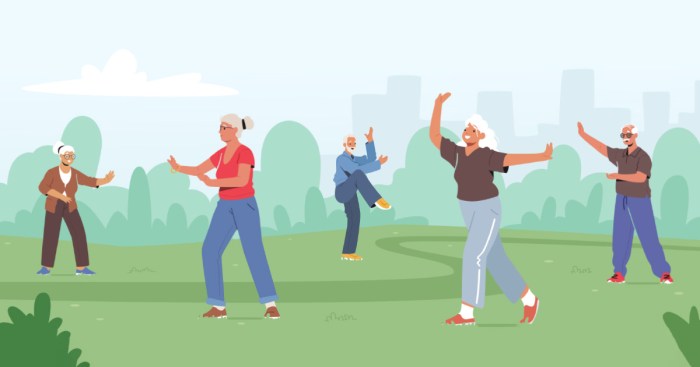
Exercise for depression and the power of movement

Exercise for depression

Exercise for depression is like the superhero cape you didn’t know you needed! Imagine battling the gloomy clouds of despair with the might of a thousand squats or an epic run down the street, with your favorite playlist blasting in the background. Exercise isn’t just for building biceps; it’s a secret weapon in the fight against depression, bringing joy, energy, and a sprinkle of endorphins to brighten your day.

From yoga sessions that soothe the soul to vigorous dance-offs that could rival a Broadway musical, different types of exercise cater to everyone’s tastes and mental health needs. With stories of people who’ve turned their frowns upside down through movement, this exploration is not just informative but downright inspiring! Who knew that lacing up your sneakers could lead to a remarkable transformation?

Exercise and Its Effects on Depression

Exercise is often hailed as a magical antidote for many ailments, including the pesky specter of depression. When you’re feeling down, the thought of lacing up your sneakers might be as appealing as running a marathon with a mouthful of marbles. However, research shows that regular physical activity can work wonders for mental health, like a superhero swooping in just when you need them most.

From boosting endorphins to enhancing self-esteem, the effects of exercise on depression are profound and scientifically backed.Engaging in physical activities triggers the release of endorphins, often dubbed “feel-good” hormones. These biochemical buddies flood your system during and after exercise, helping to reduce feelings of sadness and anxiety. Studies indicate that even moderate exercise can significantly lower depressive symptoms. So, whether you’re doing the cha-cha in your living room or taking a leisurely stroll around the block, your brain is thanking you for the workout.

Types of Exercises Beneficial for Mental Health

Exploring various types of exercises can help you find the perfect fit for your mental health journey. The beauty of exercise is in its diversity—there’s something for everyone, whether you’re a couch potato or a fitness fanatic. Here’s a delightful list of exercise options that can help boost your mood:

  • Cardiovascular Exercises: Activities like running, biking, or even a brisk walk can elevate your heart rate and trigger endorphin release. Picture yourself running away from your worries—literally!
  • Yoga: This ancient practice combines physical postures, breathing techniques, and meditation to create a serenity sandwich for your mind and body. Just don’t forget to avoid the face plant during that downward dog.
  • Strength Training: Pumping iron or using bodyweight exercises not only builds muscles but also fortifies your mental resilience. Who knew that lifting weights could also lift your spirits?
  • Dance: Whether it’s busting a move in a Zumba class or shaking it off at home, dancing releases those glorious endorphins while letting you express your inner disco diva.
  • Outdoor Activities: Hiking, rock climbing, or simply frolicking in the park can connect you with nature, providing both physical exercise and a mental refresh. Plus, you might even spot a cute squirrel or two!

Personal success stories illustrate the transformative power of exercise on depression. Take the case of Sarah, who found herself trapped in a cycle of despair. After joining a local running club, she discovered that running not only helped her shed some pounds but also lightened her mental load. Each mile brought a sense of achievement, and she eventually ran her first half-marathon, grinning ear to ear like a kid in a candy store.

Then there’s Tom, who traded binge-watching Netflix for yoga sessions at sunrise. Initially skeptical, he found the combination of stretching and meditation to be a balm for his anxious thoughts. Over time, he became a walking advertisement for the power of yoga—no more grumpy Tom; now it’s all zen vibes and deep breaths!These stories serve as a reminder that while exercise may not be a cure-all, it can be a powerful ally in the battle against depression.

So, grab those sneakers, put on your favorite tunes, and let the world see your glorious journey to better mental health!

Exercise as a Preventive Measure for Childhood Obesity

Exercise for depression

In today’s world, where video games and streaming services can easily turn kids into couch potatoes, introducing physical activities into their daily routines is more critical than ever. Childhood obesity is a growing concern, with implications for health that can last a lifetime. The good news? Exercise is an effective and fun way to keep the extra pounds away while boosting children’s overall well-being.

Let’s dive into the importance of moving those little feet!Incorporating physical activities into children’s lives doesn’t just help in preventing obesity; it also sets the foundation for a healthy lifestyle. Regular exercise can enhance physical fitness, improve mood, and develop social skills. It’s all about turning that potential energy into kinetic energy! By engaging in physical activities, children can learn about teamwork, coordination, and the joy of movement—all while burning off that extra slice of pizza they may have snagged during movie night.

Engaging Exercise Programs Suitable for Children

When it comes to keeping kids active, the idea is to keep it fun and engaging. Here’s a selection of programs that can light up the eyes of any child and have them jumping, skipping, and running:

Dance Classes

Dance is like a magical carpet ride to another world! From ballet to hip-hop, there’s a style for every kid. Plus, it’s a sneaky way to turn exercise into playtime.

Martial Arts

Unleash their inner ninja! Martial arts not only help build strength and coordination but also teach discipline and respect. And who doesn’t want to feel like a superhero?

Team Sports

Whether it’s soccer, basketball, or baseball, team sports foster camaraderie and competition. They also come with the added bonus of making friends and learning how to deal with losses (like losing that last cookie in the jar). – Swimming Not only is swimming refreshing, but it’s also a full-body workout. It’s like being a dolphin for the day—graceful and free!

Outdoor Adventure Programs

Think hiking, rock climbing, or nature scavenger hunts! These activities not only keep kids active but also connect them with nature, away from screens and distractions.To maximize the fun and keep the adrenaline flowing, setting up a weekly exercise schedule for the whole family can turn fitness into a family bonding experience. Imagine everyone laughing, sweating, and maybe even competing a little!

Weekly Exercise Schedule for Families

Creating a family exercise schedule can be as easy as pie—or should we say, as easy as running from the pie shop after eating too much dessert? Here’s a sample weekly plan to get your family moving:| Day | Activity | Duration | Notes ||————–|———————————|—————|———————————–|| Monday | Family Dance Party | 30 minutes | Blast fun tunes and shake it out! || Tuesday | Nature Walk or Hike | 1 hour | Explore local trails; bring snacks!|| Wednesday | Sports Day | 1 hour | Play soccer or basketball at the park!|| Thursday | Martial Arts Class | 1 hour | Sign up for a family class! || Friday | Swimming | 1 hour | Hit the local pool for some splashes!|| Saturday | Family Bike Ride | 1 hour | Explore the neighborhood on wheels! || Sunday | Rest Day or Light Stretching | 30 minutes | Relax and recharge with yoga! |With a mix of structured activities and spontaneous fun, this schedule keeps everyone on their toes—literally! Remember, the key is to celebrate all the little victories, whether it’s mastering a new dance move or finishing a challenging hike.

Let’s get moving and keep our kiddos healthy and happy!

The Role of Exercise in Managing Chronic Conditions

Depression exercise

When it comes to managing chronic conditions, exercise is like that trusty Swiss Army knife you didn’t know you needed—compact, versatile, and always ready to save the day! Not only does it help keep our bodies in shape, but it also plays a pivotal role in managing various chronic conditions. From asthma to autism, and even back pain, let’s dive into the ways exercise can elevate your health game while sprinkling in some fun along the way!

Exercise for Asthma Management

For individuals grappling with asthma, exercise isn’t just a breath of fresh air; it’s a full-on oxygen party! Regular physical activity can significantly improve lung function and reduce asthma symptoms. The magic lies in the fact that exercise helps strengthen the respiratory muscles, enhances overall fitness, and boosts endurance—all of which make the lungs more efficient at pumping air. However, it’s vital to choose activities that won’t put the brakes on your breathing.

Here are some top contenders:

  • Walking: A leisurely stroll is low-impact and can be as refreshing as a cool breeze on a summer day.
  • Swimming: The water is your friend! The humidity can help keep airways open, making it a fantastic choice for asthmatics.
  • Cycling: Get your wheels turning! Moderate cycling is excellent for building stamina without too much strain.
  • Yoga: Not only does it help with flexibility, but the focus on breathing techniques can lead to improved lung function.

“Exercise can be the wind beneath your wings—or, you know, your lungs!”

Exercise for Autism Support

For individuals with autism, exercise can be a game-changer, helping to enhance social skills and emotional regulation. Certain physical activities create opportunities for social interaction, teamwork, and overall emotional well-being. Here’s how some specific exercises can work wonders:

  • Team Sports: Engaging in sports like soccer or basketball promotes teamwork and communication—perfect for practicing those social skills!
  • Dance Classes: Dance isn’t just about shaking your groove thing; it fosters self-expression and helps regulate emotions through movement.
  • Martial Arts: From karate to judo, martial arts teach discipline and focus while providing a safe environment for social interaction.
  • Outdoor Activities: Hiking or nature walks are not only calming but also provide opportunities for positive social engagement and sensory exploration.

“Exercise for autism: where every step taken could lead to new friendships!”

Exercise for Back Pain Relief

Chronic back pain can feel like a heavy backpack you never wanted to carry. Thankfully, targeted exercises can alleviate pain and improve spinal health, helping you to say goodbye to the woes of an achy back. The crucial aspect of these exercises is to strengthen the core, enhance flexibility, and promote better posture. Consider the following activities that can make your back feel as light as a feather:

  • Stretching: Gentle stretches like the cat-cow pose can increase flexibility and alleviate tension in the back.
  • Core Strengthening: Planking and pelvic tilts are fantastic for building the core muscles that support the spine.
  • Low-Impact Aerobics: Activities like walking, swimming, or cycling can help maintain fitness without stressing the back.
  • Physical Therapy: Supervised exercises tailored by a professional can help address specific back issues effectively.

“Your back should support you, not weigh you down—let exercise lend a hand!”

Outcome Summary

So there you have it, folks! Exercise for depression isn’t just a catchy phrase—it’s a lifestyle change that could kick start your journey to happiness. Whether you choose to channel your inner zen with gentle stretches or unleash your wild side with a dance party in your living room, remember, every little bit counts. So, let’s get moving, shake off that gloom, and embrace the joy of physical activity—it’s time to make those endorphins dance!

FAQ Guide

How often should I exercise to help with depression?

It’s generally recommended to aim for at least 30 minutes of moderate exercise most days of the week, but even short bursts can make a difference!

What type of exercise is best for depression?

Activities like walking, running, biking, or group sports are great, but the best exercise is whatever you enjoy and will stick with!

Can exercise replace medication for depression?

While exercise can be a powerful tool in managing depression, it’s best to consult with a healthcare professional before making any changes to your treatment plan.

Do I need to join a gym to benefit from exercise?

Nope! You can find plenty of effective workouts at home, outdoors, or in your living room—no membership required!

How long does it take to see improvements with exercise?

Many people notice improvements in mood and energy levels within a few weeks of consistent exercise, but every journey is unique!

Resistance training Build Strength and Beat Fat

Resistance training

Welcome to the bicep-busting bonanza of resistance training, where we explore the miraculous powers of lifting heavy things and putting them back down! This isn’t just about flexing in the mirror; it’s about building muscle, boosting your overall health, and even giving your scale a run for its money. Get ready to discover how this form of exercise can turn you into a strong, resilient superhero, all while chuckling at the sweat dripping down your brow!

Resistance training is not just about pumping iron; it’s the secret sauce to muscle mastery and health enhancement! From battling childhood obesity to managing pesky asthma symptoms, resistance training offers a buffet of benefits. It’s like the Swiss Army knife of workouts, helping you build strength, improve mobility, and even tackle chronic pain like a boss. Let’s dive into this thrilling world of weights, bands, and a whole lot of flexing!

Benefits of Resistance Training

Resistance training

Resistance training, often overshadowed by its more glamorous cardio counterpart, is like the unsung hero of the fitness world. It’s not just about pumping iron; it’s about sculpting a physique that makes you feel like a superhero in spandex (minus the cape, unless you’re into that sort of thing). The benefits of resistance training are as plentiful as your favorite superhero’s gadgets, and they come packed with strength, health, and a sprinkle of humor to boot!

Impact on Muscle Building and Strength

Resistance training is akin to giving your muscles a personal pep talk, urging them to grow and get stronger. When you engage in this form of exercise, your muscle fibers endure tiny tears, which, during recovery, leads to growth and increased strength. It’s like building a fortress: every workout adds another brick, and before you know it, you’ve got a castle worthy of a king or queen!As your muscles adapt, you might find yourself lifting heavier weights, and soon enough, you’ll be the envy of your gym buddies.

Consider the science: studies show that regular resistance training can increase muscle mass by up to 50% in beginners within a year. So, if you’ve ever dreamed of carrying groceries in one trip without turning into a contortionist, resistance training is your answer!

Contributions to Overall Health and Fitness

Resistance training is not just about flexing those biceps; it’s a comprehensive approach to enhancing overall well-being. By engaging in regular resistance workouts, you can lower your risk of chronic diseases such as heart disease, diabetes, and osteoporosis. It’s like having a magical shield that protects you from the evil villains of health deterioration. Additionally, lifting weights can improve your balance, coordination, and flexibility, making you feel spryer than a cat on a hot tin roof.

It also plays a critical role in enhancing metabolic function, which means your body becomes a calorie-burning machine even while binge-watching your favorite series.

Regular resistance training can significantly improve your quality of life and reduce the risk of chronic diseases.

Aid in Weight Management and Obesity Prevention

When it comes to weight management, resistance training is like having a secret weapon in your fitness arsenal. It boosts your metabolism and helps to build lean muscle mass, which burns more calories at rest than fat tissue. Think of it as turning your body into a calorie incinerator—even when you’re lounging on the couch watching cat videos!Incorporating resistance training into your routine helps create a healthier body composition.

Studies have shown that individuals who partake in regular resistance training are more successful at maintaining weight loss than those who solely rely on cardiovascular exercise. This is because it promotes a higher resting metabolic rate, which translates to more calories burned throughout the day—so you can enjoy that slice of cake guilt-free!Moreover, resistance training can combat the dreaded yo-yo dieting phenomenon.

By building muscle, you fortify your body against the fluctuations of weight gain and loss. This means you’re less likely to find yourself trapped in a vicious cycle of dieting despair.

Resistance training helps build lean muscle, which plays a crucial role in long-term weight management.

Resistance Training and Health Conditions

Resistance training isn’t just about sculpting those biceps for a beach day; it plays a crucial role in managing various health conditions. From improving respiratory function to providing support for mental health, the benefits are as varied as your workout playlist. Let’s dive into how this form of training can specifically help manage some health challenges, ensuring you lift more than just grocery bags on your way home.

Resistance Training and Asthma Symptoms

For those who battle asthma, the thought of huffing and puffing can be daunting, but resistance training can actually lend a helping hand—or arm, if you will. Engaging in regular strength training can lead to improvements in overall fitness, which is essential for reducing asthma symptoms. By increasing muscle strength, you enhance your body’s oxygen consumption and efficiency, which means less wheezing when you’re sprinting for the bus or doing laps around the living room.

Studies show that resistance training can help improve lung function and decrease airway inflammation. Additionally, it encourages better respiratory muscle strength, allowing for smoother and more effective breathing. Imagine your lungs getting a workout too—how’s that for a plot twist?

Resistance Training and Autism

Resistance training can serve as a fantastic outlet for individuals with autism, providing not only physical benefits but also mental and emotional support. Engaging in structured strength training sessions can help improve focus, self-regulation, and overall mood. The rhythmic nature of lifting weights can be incredibly grounding, which is often a challenge for those on the autism spectrum.

In addition to psychological benefits, resistance training enhances motor skills and coordination. It can promote social interaction when done in group settings, creating an environment where individuals can bond over common goals and shared successes. Think of it as a mini superhero academy, where everyone gets to flex their powers (and muscles) together!

Resistance Training and Back Pain Relief

When back pain strikes, it can feel like you’re carrying the weight of the world on your shoulders—or more accurately, your lower back. Resistance training can be a game changer in alleviating this discomfort and enhancing mobility. By strengthening the muscles that support the spine, individuals can experience less pain and improved posture, which is like giving your back a supportive hug.

Incorporating specific resistance exercises, such as deadlifts or rows, targets the core and back muscles, providing stability and strength. This not only reduces the risk of injuries but also facilitates greater mobility, allowing for a more active lifestyle. Imagine lifting your kid, your groceries, or even your cat with ease—because who wouldn’t want to be the neighborhood cat whisperer without straining their back?

In summary, resistance training isn’t just about aesthetics; it’s a powerful tool for managing various health conditions, turning obstacles into opportunities for strength and resilience.

Resistance Training in Special Populations

Resistance training is the superhero of the fitness world, capable of swooping in to save the day for various special populations. It doesn’t wear a cape, but the benefits it offers—especially in preventing childhood obesity, aiding in critical care rehabilitation, and providing tailored plans for individuals with developmental disabilities—are nothing short of heroic. Let’s dive into how resistance training can be a game-changer for these groups.

Resistance Training in Childhood Obesity Prevention

Childhood obesity is a growing concern and resistance training can serve as a formidable ally in the fight against it. Incorporating strength-building exercises into children’s routines not only boosts their physical health but also sets them on a path toward lifelong fitness habits. Just as a superhero trains to enhance their powers, kids can train to enhance their strength and self-confidence.

Here’s how resistance training can help combat childhood obesity effectively:

  • Increased Muscle Mass: Muscle burns more calories than fat, even when at rest. By developing muscle through resistance training, children can increase their metabolic rates, turning them into calorie-burning machines.
  • Improved Body Image: Strength training can improve children’s self-esteem. Feeling stronger and more capable can lead to healthier lifestyle choices and a more positive body image, which is crucial in combating obesity.
  • Fun and Engaging Activities: Resistance training can be made enjoyable with games, challenges, and group activities, keeping children engaged and excited about fitness.

Resistance Training in Critical Care Rehabilitation

When it comes to critical care rehabilitation, resistance training is like the trusty sidekick that helps patients regain their strength and mobility. After serious illness or surgery, patients often require a structured approach to rebuild their physical abilities. Here’s how resistance training fits snugly into their recovery plans:

  • Gradual Strength Building: Patients can start with light resistance, gradually increasing as they gain strength. This tailored approach helps prevent injury while promoting recovery.
  • Functional Improvements: Resistance exercises can focus on movements patients need in daily life, enhancing their functionality and independence post-recovery.
  • Psychological Benefits: Engaging in resistance training can have uplifting effects on mood and motivation, crucial for patients recovering from serious conditions.

Resistance Training for Individuals with Developmental Disabilities

Creating an inclusive environment for individuals with developmental disabilities is essential, and resistance training can be a fantastic way to promote physical fitness and improve overall well-being. A well-structured plan should be designed with their specific needs in mind, ensuring that every rep counts. Here’s a robust framework for a resistance training plan:

  • Personalized Goals: Establish specific, achievable goals based on individual capabilities and interests. This ensures motivation and a sense of accomplishment.
  • Variety of Exercises: Incorporate a mix of bodyweight exercises, resistance bands, and light weights to cater to different skill levels and preferences.
  • Positive Reinforcement: Use praise and rewards to encourage participation and celebrate achievements, no matter how small, to foster a positive training environment.
  • Focus on Fun: Make sessions enjoyable by including games and social elements, ensuring that participants look forward to their workouts.

“Resistance training isn’t just about lifting weights; it’s about lifting spirits and building a better tomorrow for everyone!”

Final Wrap-Up

Resistance training

So there you have it, folks! Resistance training isn’t just a workout; it’s a lifestyle revolution that can make you feel like a million bucks—or at least like a confident, well-toned version of yourself. Whether you’re lifting weights to build muscle or helping someone regain mobility, the benefits are as plentiful as the endorphins you’ll unleash. Now go forth, lift heavy, and laugh at the daily grind while becoming the best version of you—one rep at a time!

Questions Often Asked

What is resistance training?

Resistance training involves exercises that improve strength and endurance by working against a force, such as weights or resistance bands.

How often should I do resistance training?

Most experts recommend at least two days a week, targeting all major muscle groups for optimal results.

Can beginners do resistance training?

Absolutely! Beginners should start with lighter weights and focus on proper form before progressing to heavier loads.

Is it safe for older adults?

Yes! With proper guidance and modifications, resistance training can greatly benefit older adults by enhancing strength and balance.

Will resistance training make me bulky?

Nope! Resistance training can help you tone up and lose fat without the bulk, depending on your workout style and nutrition.