
Learning disabilities Unraveling the Mysteries Within

Learning disabilities

Learning disabilities can sometimes feel like that mysterious puzzle piece that just refuses to fit, no matter how hard you try! As we dive into this intricate world, we’ll explore the various types of learning disabilities, their characteristics, and the surprising statistics that reveal their prevalence among children and adults alike. Spoiler alert: it’s more common than you think! We’ll also peek into the connection between these disabilities and mental health, ensuring we cover all the bases in this enlightening journey.

Whether you’re a parent, teacher, or just a curious mind, understanding learning disabilities is key to unlocking potential and fostering a supportive environment. With insights into effective teaching strategies and community resources, we’ll arm you with the knowledge to make a difference. So, buckle up as we embark on this informative yet entertaining ride!

Understanding Learning Disabilities

Learning disabilities

Learning disabilities are like those pesky house guests who overstay their welcome—uninvited, they can make everyday tasks far more complicated than they need to be! While they may seem like a party crasher in the classroom or workplace, understanding these disabilities is crucial to helping those affected thrive in their environments. So, let’s embark on this enlightening journey through the world of learning disabilities, filled with quirks, statistics, and the occasional comedic relief.Various types of learning disabilities exist, each with its own distinct characteristics.

These include dyslexia, which is like trying to read a book where all the letters have decided to play musical chairs; dysgraphia, where forming letters on a page feels like taming a wild beast; and dyscalculia, which turns numbers into a foreign language. Let’s break down the characteristics of these disabilities and more:

Types of Learning Disabilities

Understanding the different types of learning disabilities is essential to support and empathy. Here’s a closer look at some of the most common types:

  • Dyslexia: Affects reading and language processing, making it challenging to decode words and understand text.
  • Dysgraphia: Impacts writing abilities, leading to difficulties in spelling, handwriting, and organizing thoughts on paper.
  • Dyscalculia: Affects mathematical skills, making it hard to comprehend numbers, perform calculations, and tell time.
  • Auditory Processing Disorder: Challenges the ability to process sounds, affecting comprehension of spoken language.
  • Visual Processing Disorder: Interferes with interpreting visual information, impacting reading and comprehension.

Statistics highlight that learning disabilities are more common than you might think. According to the National Center for Learning Disabilities, approximately 1 in 5 children in the U.S. has a learning disability, which translates to about 2.4 million students. These percentages are not just numbers but represent real individuals navigating their academic lives with unique challenges.

Prevalence of Learning Disabilities

The prevalence of learning disabilities among both children and adults is a significant concern that warrants attention. Understanding these statistics can foster awareness and inclusivity:

  • Studies show that around 5% to 15% of the population may experience some form of learning disability.
  • In schools, about 7.1% of students aged 3-21 receive special education services under the category of specific learning disabilities.
  • Adults with learning disabilities may face challenges in employment, with only 54% reported to be employed compared to their non-disabled peers.

Learning disabilities don’t just stop at academics; they can also have a profound influence on mental health. The relationship between learning disabilities and mental health issues can be likened to a tangled ball of yarn—pull on one part, and the whole thing can unravel.

Relationship Between Learning Disabilities and Mental Health Issues

Research indicates a significant correlation between learning disabilities and mental health challenges. Individuals with learning disabilities may experience anxiety, depression, and low self-esteem due to their struggles in traditional learning environments. Below are some key points regarding this relationship:

  • Increased Anxiety: Many students with learning disabilities may develop anxiety, fearing academic failure or social stigma.
  • Low Self-Esteem: Experiencing repeated difficulties in school can lead to negative self-perception and a lack of confidence.
  • Depressive Symptoms: The stress of managing learning disabilities can result in feelings of hopelessness and withdrawal from social activities.

“Understanding and addressing learning disabilities can help pave the way for a brighter, more inclusive future for all.”

The complexities of learning disabilities are multifaceted, affecting not only the academic realm but also emotional well-being. Recognizing these challenges can help create more supportive environments that foster growth and understanding.

Impact on Health

Learning disabilities often come with a side of unexpected health challenges, like a surprise party you didn’t RSVP to. Not only do they affect academic performance, but they can also have a ripple effect on overall health and wellness. The mental strain of navigating the world with a learning disability can lead to stress, anxiety, and even depression. It’s like trying to run a marathon with shoelaces tied together—exhausting and a bit chaotic!The correlation between learning disabilities and certain health conditions is noteworthy.

Research has shown that individuals with learning disabilities may experience higher rates of conditions such as asthma and autism spectrum disorders. This intersection of challenges can create a unique set of hurdles. For instance, the added stress of managing learning difficulties can exacerbate physical health issues, leading to an overall decline in well-being. It’s like juggling flaming torches while balancing on a unicycle—talk about a tough act!

Correlation with Other Health Conditions

The relationship between learning disabilities and other health issues is complex. Understanding this interplay can provide insight into how to better support individuals facing these challenges. The following points highlight key correlations:

  • Individuals with learning disabilities may have a higher prevalence of asthma, potentially due to increased anxiety and stress levels that can trigger symptoms.
  • There is a noted overlap between learning disabilities and autism spectrum disorders, which can complicate diagnosis and treatment strategies.
  • The stress of academic pressure can lead to poor physical health outcomes, such as decreased exercise and poor nutrition, creating a vicious cycle.
  • Mental health issues, including anxiety and depression, are more common in individuals with learning disabilities, impacting both emotional and physical health.

Strategies for managing physical health in individuals with learning disabilities are essential. Here are some practical approaches that can promote overall wellness:

  • Regular Physical Activity: Engaging in regular exercise, such as dancing, swimming, or even walking the dog, can improve mood and physical health.
  • Nutrition Awareness: A balanced diet rich in fruits, vegetables, and whole grains provides the essential nutrients needed for optimal brain and body function.
  • Mindfulness and Relaxation Techniques: Practices like yoga or meditation can help alleviate stress and improve mental health, which in turn supports physical health.
  • Routine Health Check-ups: Regular visits to healthcare providers ensure that any emerging health issues are addressed early.

“Physical health is connected to mental wellness; when one shines, the other can’t help but sparkle!”

Promoting awareness and understanding of these health impacts can lead to better support systems that allow individuals with learning disabilities to thrive, rather than just survive.

Support and Resources

Learning disabilities

Navigating the world of learning disabilities can feel a bit like trying to find a needle in a haystack, but fear not! There are plenty of strategies and resources that shine brighter than a disco ball at a dance party. Understanding how to support students with learning disabilities equips educators, families, and communities with the tools needed to foster success and well-being.

Effective Teaching Strategies for Students with Learning Disabilities

Implementing effective teaching strategies can create a supportive learning environment for students with learning disabilities. These approaches help in accommodating diverse learning needs while also enhancing overall academic performance. Consider the following strategies that can make a significant difference:

  • Multi-Sensory Instruction: Engaging multiple senses helps reinforce learning. Using visual aids, auditory cues, and hands-on activities can make complex concepts more accessible.
  • Structured Learning Environments: Consistency is key! A predictable routine and clear expectations reduce anxiety and help students focus on learning.
  • Chunking Information: Breaking down tasks into smaller, manageable parts can help students process information more effectively, making learning feel less overwhelming.
  • Assistive Technology: Tools like text-to-speech software, audio books, and apps designed for learning disabilities can provide essential support and enhance learning experiences.

Available Resources and Support Systems

A plethora of resources exists for individuals and families coping with learning disabilities. These resources can provide guidance, offer support, and connect families with helpful networks. Here’s an overview of invaluable resources that can make a world of difference:

  • Local and National Organizations: Groups like the Learning Disabilities Association of America (LDA) offer resources, support groups, and advocacy for individuals and families.
  • School-Based Support Services: Many schools have special education programs or resource rooms that provide tailored instruction and support for students with learning disabilities.
  • Online Resources and Forums: Websites like Understood.org provide articles, tools, and forums for dialogue, enabling families to share experiences and solutions.
  • Counseling Services: Professional support through psychologists or counselors can help individuals and families navigate the emotional and psychological impacts of learning disabilities.

Community Awareness Programs about Learning Disabilities

Raising awareness about learning disabilities is key to creating inclusive communities that understand their impact on health and well-being. Designing a community awareness program can facilitate education and reduce stigma. Below are engaging ideas for effective programs:

  • Workshops and Seminars: Organizing sessions led by experts in special education can inform parents, teachers, and community members about learning disabilities and strategies for support.
  • Community Events: Hosting family fun days with activities focused on learning disabilities can foster understanding in a relaxed environment. Think games, testimonials, and maybe a bake sale to sweeten the deal!
  • Public Awareness Campaigns: Using social media, posters, and local media to share information about learning disabilities can help spread awareness and encourage community engagement.
  • Collaborations with Local Businesses: Partnering with local businesses for sponsorships or donations can help fund awareness programs, while also showcasing community support for individuals with learning disabilities.

Last Point

As we wrap up our exploration of learning disabilities, it’s clear that awareness and understanding are the first steps toward creating a more inclusive world. By recognizing the unique challenges faced by individuals with learning disabilities, we can better support them in achieving their dreams—one quirky puzzle piece at a time! Let’s continue the conversation and advocate for resources and strategies that empower these individuals to shine bright!

FAQ Section

What are the most common types of learning disabilities?

The most common types include dyslexia, dyscalculia, and dysgraphia, each affecting reading, math, and writing skills, respectively.

Can adults have learning disabilities?

Absolutely! Learning disabilities can persist into adulthood, and many adults may not even be aware they have one.

How can parents support children with learning disabilities?

Parents can support their children by advocating for appropriate educational resources, fostering a positive home environment, and encouraging open communication about challenges.

Is there a link between learning disabilities and other health conditions?

Yes, studies suggest a correlation between learning disabilities and conditions like ADHD, autism, and even asthma, highlighting the importance of comprehensive care.

What resources are available for families dealing with learning disabilities?

Families can access various resources such as support groups, specialized educators, and online platforms that provide information and strategies tailored to learning disabilities.
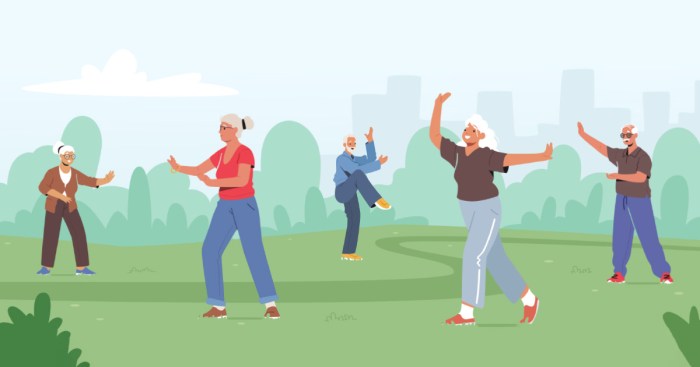
Exercise for depression and the power of movement

Exercise for depression

Exercise for depression is like the superhero cape you didn’t know you needed! Imagine battling the gloomy clouds of despair with the might of a thousand squats or an epic run down the street, with your favorite playlist blasting in the background. Exercise isn’t just for building biceps; it’s a secret weapon in the fight against depression, bringing joy, energy, and a sprinkle of endorphins to brighten your day.

From yoga sessions that soothe the soul to vigorous dance-offs that could rival a Broadway musical, different types of exercise cater to everyone’s tastes and mental health needs. With stories of people who’ve turned their frowns upside down through movement, this exploration is not just informative but downright inspiring! Who knew that lacing up your sneakers could lead to a remarkable transformation?

Exercise and Its Effects on Depression

Exercise is often hailed as a magical antidote for many ailments, including the pesky specter of depression. When you’re feeling down, the thought of lacing up your sneakers might be as appealing as running a marathon with a mouthful of marbles. However, research shows that regular physical activity can work wonders for mental health, like a superhero swooping in just when you need them most.

From boosting endorphins to enhancing self-esteem, the effects of exercise on depression are profound and scientifically backed.Engaging in physical activities triggers the release of endorphins, often dubbed “feel-good” hormones. These biochemical buddies flood your system during and after exercise, helping to reduce feelings of sadness and anxiety. Studies indicate that even moderate exercise can significantly lower depressive symptoms. So, whether you’re doing the cha-cha in your living room or taking a leisurely stroll around the block, your brain is thanking you for the workout.

Types of Exercises Beneficial for Mental Health

Exploring various types of exercises can help you find the perfect fit for your mental health journey. The beauty of exercise is in its diversity—there’s something for everyone, whether you’re a couch potato or a fitness fanatic. Here’s a delightful list of exercise options that can help boost your mood:

  • Cardiovascular Exercises: Activities like running, biking, or even a brisk walk can elevate your heart rate and trigger endorphin release. Picture yourself running away from your worries—literally!
  • Yoga: This ancient practice combines physical postures, breathing techniques, and meditation to create a serenity sandwich for your mind and body. Just don’t forget to avoid the face plant during that downward dog.
  • Strength Training: Pumping iron or using bodyweight exercises not only builds muscles but also fortifies your mental resilience. Who knew that lifting weights could also lift your spirits?
  • Dance: Whether it’s busting a move in a Zumba class or shaking it off at home, dancing releases those glorious endorphins while letting you express your inner disco diva.
  • Outdoor Activities: Hiking, rock climbing, or simply frolicking in the park can connect you with nature, providing both physical exercise and a mental refresh. Plus, you might even spot a cute squirrel or two!

Personal success stories illustrate the transformative power of exercise on depression. Take the case of Sarah, who found herself trapped in a cycle of despair. After joining a local running club, she discovered that running not only helped her shed some pounds but also lightened her mental load. Each mile brought a sense of achievement, and she eventually ran her first half-marathon, grinning ear to ear like a kid in a candy store.

Then there’s Tom, who traded binge-watching Netflix for yoga sessions at sunrise. Initially skeptical, he found the combination of stretching and meditation to be a balm for his anxious thoughts. Over time, he became a walking advertisement for the power of yoga—no more grumpy Tom; now it’s all zen vibes and deep breaths!These stories serve as a reminder that while exercise may not be a cure-all, it can be a powerful ally in the battle against depression.

So, grab those sneakers, put on your favorite tunes, and let the world see your glorious journey to better mental health!

Exercise as a Preventive Measure for Childhood Obesity

Exercise for depression

In today’s world, where video games and streaming services can easily turn kids into couch potatoes, introducing physical activities into their daily routines is more critical than ever. Childhood obesity is a growing concern, with implications for health that can last a lifetime. The good news? Exercise is an effective and fun way to keep the extra pounds away while boosting children’s overall well-being.

Let’s dive into the importance of moving those little feet!Incorporating physical activities into children’s lives doesn’t just help in preventing obesity; it also sets the foundation for a healthy lifestyle. Regular exercise can enhance physical fitness, improve mood, and develop social skills. It’s all about turning that potential energy into kinetic energy! By engaging in physical activities, children can learn about teamwork, coordination, and the joy of movement—all while burning off that extra slice of pizza they may have snagged during movie night.

Engaging Exercise Programs Suitable for Children

When it comes to keeping kids active, the idea is to keep it fun and engaging. Here’s a selection of programs that can light up the eyes of any child and have them jumping, skipping, and running:

Dance Classes

Dance is like a magical carpet ride to another world! From ballet to hip-hop, there’s a style for every kid. Plus, it’s a sneaky way to turn exercise into playtime.

Martial Arts

Unleash their inner ninja! Martial arts not only help build strength and coordination but also teach discipline and respect. And who doesn’t want to feel like a superhero?

Team Sports

Whether it’s soccer, basketball, or baseball, team sports foster camaraderie and competition. They also come with the added bonus of making friends and learning how to deal with losses (like losing that last cookie in the jar). – Swimming Not only is swimming refreshing, but it’s also a full-body workout. It’s like being a dolphin for the day—graceful and free!

Outdoor Adventure Programs

Think hiking, rock climbing, or nature scavenger hunts! These activities not only keep kids active but also connect them with nature, away from screens and distractions.To maximize the fun and keep the adrenaline flowing, setting up a weekly exercise schedule for the whole family can turn fitness into a family bonding experience. Imagine everyone laughing, sweating, and maybe even competing a little!

Weekly Exercise Schedule for Families

Creating a family exercise schedule can be as easy as pie—or should we say, as easy as running from the pie shop after eating too much dessert? Here’s a sample weekly plan to get your family moving:| Day | Activity | Duration | Notes ||————–|———————————|—————|———————————–|| Monday | Family Dance Party | 30 minutes | Blast fun tunes and shake it out! || Tuesday | Nature Walk or Hike | 1 hour | Explore local trails; bring snacks!|| Wednesday | Sports Day | 1 hour | Play soccer or basketball at the park!|| Thursday | Martial Arts Class | 1 hour | Sign up for a family class! || Friday | Swimming | 1 hour | Hit the local pool for some splashes!|| Saturday | Family Bike Ride | 1 hour | Explore the neighborhood on wheels! || Sunday | Rest Day or Light Stretching | 30 minutes | Relax and recharge with yoga! |With a mix of structured activities and spontaneous fun, this schedule keeps everyone on their toes—literally! Remember, the key is to celebrate all the little victories, whether it’s mastering a new dance move or finishing a challenging hike.

Let’s get moving and keep our kiddos healthy and happy!

The Role of Exercise in Managing Chronic Conditions

Depression exercise

When it comes to managing chronic conditions, exercise is like that trusty Swiss Army knife you didn’t know you needed—compact, versatile, and always ready to save the day! Not only does it help keep our bodies in shape, but it also plays a pivotal role in managing various chronic conditions. From asthma to autism, and even back pain, let’s dive into the ways exercise can elevate your health game while sprinkling in some fun along the way!

Exercise for Asthma Management

For individuals grappling with asthma, exercise isn’t just a breath of fresh air; it’s a full-on oxygen party! Regular physical activity can significantly improve lung function and reduce asthma symptoms. The magic lies in the fact that exercise helps strengthen the respiratory muscles, enhances overall fitness, and boosts endurance—all of which make the lungs more efficient at pumping air. However, it’s vital to choose activities that won’t put the brakes on your breathing.

Here are some top contenders:

  • Walking: A leisurely stroll is low-impact and can be as refreshing as a cool breeze on a summer day.
  • Swimming: The water is your friend! The humidity can help keep airways open, making it a fantastic choice for asthmatics.
  • Cycling: Get your wheels turning! Moderate cycling is excellent for building stamina without too much strain.
  • Yoga: Not only does it help with flexibility, but the focus on breathing techniques can lead to improved lung function.

“Exercise can be the wind beneath your wings—or, you know, your lungs!”

Exercise for Autism Support

For individuals with autism, exercise can be a game-changer, helping to enhance social skills and emotional regulation. Certain physical activities create opportunities for social interaction, teamwork, and overall emotional well-being. Here’s how some specific exercises can work wonders:

  • Team Sports: Engaging in sports like soccer or basketball promotes teamwork and communication—perfect for practicing those social skills!
  • Dance Classes: Dance isn’t just about shaking your groove thing; it fosters self-expression and helps regulate emotions through movement.
  • Martial Arts: From karate to judo, martial arts teach discipline and focus while providing a safe environment for social interaction.
  • Outdoor Activities: Hiking or nature walks are not only calming but also provide opportunities for positive social engagement and sensory exploration.

“Exercise for autism: where every step taken could lead to new friendships!”

Exercise for Back Pain Relief

Chronic back pain can feel like a heavy backpack you never wanted to carry. Thankfully, targeted exercises can alleviate pain and improve spinal health, helping you to say goodbye to the woes of an achy back. The crucial aspect of these exercises is to strengthen the core, enhance flexibility, and promote better posture. Consider the following activities that can make your back feel as light as a feather:

  • Stretching: Gentle stretches like the cat-cow pose can increase flexibility and alleviate tension in the back.
  • Core Strengthening: Planking and pelvic tilts are fantastic for building the core muscles that support the spine.
  • Low-Impact Aerobics: Activities like walking, swimming, or cycling can help maintain fitness without stressing the back.
  • Physical Therapy: Supervised exercises tailored by a professional can help address specific back issues effectively.

“Your back should support you, not weigh you down—let exercise lend a hand!”

Outcome Summary

So there you have it, folks! Exercise for depression isn’t just a catchy phrase—it’s a lifestyle change that could kick start your journey to happiness. Whether you choose to channel your inner zen with gentle stretches or unleash your wild side with a dance party in your living room, remember, every little bit counts. So, let’s get moving, shake off that gloom, and embrace the joy of physical activity—it’s time to make those endorphins dance!

FAQ Guide

How often should I exercise to help with depression?

It’s generally recommended to aim for at least 30 minutes of moderate exercise most days of the week, but even short bursts can make a difference!

What type of exercise is best for depression?

Activities like walking, running, biking, or group sports are great, but the best exercise is whatever you enjoy and will stick with!

Can exercise replace medication for depression?

While exercise can be a powerful tool in managing depression, it’s best to consult with a healthcare professional before making any changes to your treatment plan.

Do I need to join a gym to benefit from exercise?

Nope! You can find plenty of effective workouts at home, outdoors, or in your living room—no membership required!

How long does it take to see improvements with exercise?

Many people notice improvements in mood and energy levels within a few weeks of consistent exercise, but every journey is unique!

Seasonal depression a quirky battle against the blues

Seasonal depression

Welcome to the whimsical world of Seasonal depression, where the sun plays hide and seek and your mood decides to take a vacation. Just when you think you’ve got a grip on life, the clouds roll in, and suddenly your couch feels like the ultimate throne of despair. But fear not! We’re diving into the ups and downs, the who’s who of symptoms, and the surprising twists that make this seasonal saga a bit more bearable.

Let’s unravel the mystery of why the changing seasons can turn us from sunny to gloomy, exploring the symptoms that sneak in like a ninja during the winter months. We’ll also uncover the causes and risk factors that might have you questioning whether you’re part bear ready to hibernate. Plus, we’ll arm you with coping strategies that will help you swing from a frown to a smile faster than you can say ‘Vitamin D’!

Understanding Seasonal Depression

Seasonal depression

As the leaves fall and the days grow shorter, some of us might find ourselves feeling a bit like an unused winter coat—neglected, heavy, and with a tendency to collect dust in the corner. Seasonal depression, also known as Seasonal Affective Disorder (SAD), is a condition that affects many during the chillier months. Understanding its symptoms, causes, and effective coping strategies can help lighten the load of winter blues and possibly transform your frosty frown into a cozy smile.Seasonal depression typically manifests when daylight hours dwindle, resulting in a surge of feelings akin to being stuck in a snow globe—beautiful on the outside but trapped within.

Common symptoms include feelings of hopelessness, fatigue, irritability, changes in sleep patterns, and a craving for carbohydrates (because who wouldn’t want to cuddle with a big bowl of pasta in the dark?). The signs can range from mild to severe, often leading to a sense of isolation that feels heavier than a snow-laden tree branch.

Symptoms and Signs of Seasonal Depression

The diagnosis of seasonal depression is as official as a snowman wearing sunglasses, so it’s vital to recognize the symptoms that accompany the season. Noticing these can lead to early intervention.

  • Persistent sadness or low mood that lasts most of the day.
  • Loss of interest in activities once enjoyed, like skiing or making snow angels.
  • Significant changes in appetite or weight, often resulting in the hibernation diet.
  • Difficulty concentrating, as if your thoughts are stuck in a blizzard.
  • Increased sleepiness or insomnia, leading to days feeling longer than a polar night.
  • Feelings of worthlessness or guilt, like a snowflake doubting its unique beauty.

Causes and Risk Factors of Seasonal Depression

Unmasking the reasons behind seasonal depression is as enlightening as finding the first crocus of spring. The condition seems to be linked to changes in light exposure and biological rhythms.

  • Reduced sunlight exposure can lead to a drop in serotonin levels, which is like having a party without any snacks.
  • Melatonin levels, responsible for sleep regulation, can go haywire, resulting in a perpetual state of hibernation.
  • Genetic predisposition is a factor; if Aunt Mildred struggled with the winter blues, you might too.
  • Geographical location plays a role—those living in areas with long winters and short days are at a higher risk, much like sunbathers missing their tropical paradise.

Coping Strategies for Managing Seasonal Depression

Creating a toolkit to tackle seasonal depression can be a game changer, making winter feel a bit more like a cozy retreat and less like a dungeon of despair.

  • Light therapy, where a special lamp mimics sunlight and can help to brighten your mood, a bit like a sunbeam breaking through cloud cover.
  • Regular physical activity, which increases endorphins, turning you into a winter warrior ready to conquer the cold.
  • Social connections are crucial; don’t be a hermit in a snow cave—reach out to friends and family for support.
  • Healthy eating can also play a part; nourishing your body with whole foods can keep your spirits high, even if your surroundings are frosty.
  • Mindfulness and meditation practices can help manage stress, providing warmth to your mind as you navigate the chill.

“Remember, winter is not a season; it’s a celebration of resilience!”

Health Implications of Seasonal Depression

Seasonal depression

Seasonal depression, or Seasonal Affective Disorder (SAD), is more than just a winter blues phenomenon; it can significantly impact various aspects of physical and mental health. Imagine a sneaky little gremlin that not only messes with your mood but also tiptoes into other health concerns, making them worse. Let’s dive into how this seasonal saboteur can wreak havoc on overall health, asthma management, and the lives of individuals with autism.

Impact on Overall Health

The connection between seasonal depression and overall health can be as confusing as trying to untangle holiday lights after a year in storage. Seasonal depression can lead to a cascade of health issues, including fatigue, weight gain, and weakened immune function. When the sun decides to play hide-and-seek, the following health implications can arise:

  • Increased Fatigue:

    The lack of sunlight can drain your energy levels faster than a smartphone at a music festival, leading to excessive tiredness and sluggishness.

  • Weight Gain:

    Cravings for carbohydrate-rich comfort foods can spike, as the body tries to compensate for low serotonin levels, resulting in a few extra pounds by spring.

  • Weakened Immune System:

    With mood fluctuations comes a dip in immune response, making individuals more susceptible to colds and other seasonal illnesses.

Influence on Asthma Management

For individuals with asthma, seasonal depression can introduce a whole new level of complexity to their management strategies. The relationship is akin to a clumsy dance—one misstep can lead to a mess. Seasonal depression can exacerbate asthma symptoms in the following ways:

  • Increased Stress Levels:

    The emotional toll of seasonal depression may lead to heightened stress, which is a known trigger for asthma exacerbations.

  • Poor Medication Adherence:

    A low mood can lead to neglect in managing asthma medication, resulting in increased frequency and severity of asthma attacks.

  • Environmental Factors:

    Seasonal changes, such as cold air and increased indoor allergens during winter, can worsen asthma symptoms just when a person feels least capable of coping.

Impact on Individuals with Autism

Seasonal depression can have profound effects on individuals with autism, impacting their emotional regulation and social interactions. The changes in environment and routine can lead to increased anxiety and distress, giving rise to unique challenges. Here are some critical points to consider regarding this impact:

  • Disruption of Routine:

    Many individuals with autism thrive on routine; the seasonal changes can disrupt familiar patterns, leading to increased stress and anxiety.

  • Social Withdrawal:

    Seasonal depression can lead to a desire to retreat further into oneself, which can exacerbate feelings of isolation for those who may already struggle with social interactions.

  • Behavioral Changes:

    Changes in mood and energy can manifest as behavioral issues, making it more difficult for caregivers to provide support and stability.

Seasonal Depression and Lifestyle Adjustments

When winter’s chill starts to infiltrate your bones and daylight begins to play hide-and-seek, many of us find ourselves wrestling with the gray clouds of seasonal depression. Fear not—there are delightful lifestyle changes and activities that can add a splash of color to those dreary days. Think of it as giving a gray sky a cheerful makeover!Making adjustments to your lifestyle can significantly help manage seasonal depression.

Simple activities can boost your mood, while a focus on exercise and nutrition can serve as your personal cheerleaders during this challenging season. So, let’s dive into the wonderland of lifestyle adjustments that can transform your seasonal slump into a full-on seasonal sparkle!

List of Activities to Improve Mood During Seasonal Changes

Engaging in uplifting activities is crucial, especially during the darker months. Here’s a vibrant list of mood-boosting activities to sprinkle some joy into your life:

  • Nature Walks: Explore local parks or trails, even if it’s just to admire the frosty foliage. Fresh air and a change of scenery can do wonders!
  • Creative Hobbies: Whether it’s painting, knitting, or channeling your inner Picasso, creativity can be a fantastic outlet. Channel those winter blues into a masterpiece!
  • Social Gatherings: Schedule get-togethers with friends or family, even if it’s a virtual meeting. Sometimes, a good laugh is the best medicine.
  • Reading: Escape into a good book. Fantasy worlds and thrilling novels can transport you far from the winter chill.
  • Volunteer Work: Helping others can often help yourself. Spread warmth and joy by giving back to your community.

Role of Exercise and Nutrition in Alleviating Seasonal Depression Symptoms

Exercise and nutrition play pivotal roles in managing seasonal depression. Think of exercise as your personal superhero, combating the villains of fatigue and sadness. Regular physical activity releases endorphins—those little mood-lifting chemicals that can turn your frown upside down! Aim for at least 30 minutes of moderate exercise several times a week. Consider activities such as:

  • Yoga: Harmonizes body and mind, while also helping to stretch away those winter aches.
  • Dancing: Turn on your favorite tunes and dance like no one’s watching. Bonus points for using a hairbrush as a microphone!
  • Indoor Workouts: Join an online fitness class to stay active even when the weather outside is frightful.

Nutrition, meanwhile, is your trusty sidekick. A balanced diet rich in fruits, vegetables, whole grains, and lean proteins not only fuels your body; it also nourishes your brain. Foods high in omega-3 fatty acids, like salmon and walnuts, have been shown to alleviate depression symptoms, while complex carbohydrates can help stabilize your mood.

“Food can be a source of joy, comfort, and health—especially when you choose wisely!”

Consider incorporating foods like:

  • Leafy Greens: Spinach and kale for that vitamin boost.
  • Berries: Packed with antioxidants, they make for tasty snacks or smoothie ingredients.
  • Dark Chocolate: Yes, please! It’s a delightful treat that can improve your mood.

Incorporating these lifestyle adjustments can be your ticket to brighter days, even when the sun plays hard to get. So bundle up, grab some hot cocoa (with a side of dark chocolate!), and embrace the changes that can lift your spirits this season!

Last Recap

As we wrap up our colorful journey through the landscape of Seasonal depression, remember that it’s not just about battling the winter blues; it’s about finding ways to dance in the rain (or snow!). With the right tools, a sprinkle of humor, and a dash of lifestyle adjustments, you can turn the season of gloom into a period of bloom.

So, go on, put on your favorite fuzzy socks, grab that hot cocoa, and let’s keep the blues at bay!

FAQ Overview

What are the most common symptoms of Seasonal depression?

Common symptoms include fatigue, changes in sleep patterns, irritability, and difficulty concentrating. It’s like your brain decided to take a long winter’s nap!

Can Seasonal depression affect anyone?

Absolutely! While some people are more vulnerable, anyone can experience seasonal depression regardless of age or background.

Is there a way to prevent Seasonal depression?

Though it’s tricky, maintaining a regular exercise routine, getting enough sunlight, and practicing mindfulness can help keep those pesky blues at bay.

How long does Seasonal depression last?

Typically, Seasonal depression hits during the fall and winter months and can last until spring, but it varies from person to person.

When should I seek help for Seasonal depression?

If your symptoms interfere with your daily life or last more than a few weeks, it’s wise to consult a healthcare professional for guidance.

Oral contraceptives the multifaceted health marvel

Oral contraceptives

Oral contraceptives are like the Swiss army knives of women’s health—packed with tools that do everything from keeping pesky pregnancies at bay to adding some pizazz to your beauty routine. These little pills are not just a means to an end; they’re intricately woven into the tapestry of our health, influencing everything from asthma management to mental wellness. Buckle up as we dive into this rollercoaster ride through the glorious world of oral contraceptives!

In this whirlwind tour, we will explore how oral contraceptives impact health, lifestyle, and even medical contexts. From enhancing your skincare regimen to their surprising role in muscle building, these pills have a lot more to offer than you might think. So, grab a cup of coffee, sit back, and prepare to be amazed by the fascinating intersections between oral contraceptives and our everyday lives!

Impact of Oral Contraceptives on Health

Oral contraceptives, often hailed as a game-changer for reproductive health, bring along more than just the promise of preventing pregnancies. They can also play a significant role in various health aspects that might just surprise you. From managing asthma symptoms to influencing your mood and even affecting your smile, let’s dive into the multifaceted impact of these little pills.

Oral Contraceptives and Asthma Management

Interestingly, oral contraceptives have been found to impact asthma management in women. Research indicates that hormonal fluctuations can exacerbate asthma symptoms. However, some studies suggest that estrogen in birth control pills can actually help some women experience fewer asthma attacks. This connection is essential, especially since it suggests that for women with asthma, a little hormonal help can potentially mean breathing a bit easier.

Women using oral contraceptives may experience

Reduced inflammation

Estrogen’s anti-inflammatory properties can help minimize airway constriction.

Fewer exacerbations

Some women report fewer asthma flare-ups while on the pill.

Improved lung function

Hormonal regulation could lead to enhancements in overall lung performance.

Oral Contraceptives and Mental Health

When it comes to mental health, oral contraceptives take center stage in a rather complex performance. While some women find relief from menstrual-related mood swings, others may experience heightened feelings of depression. The relationship between hormones and mood is so intertwined that it can feel like a soap opera—full of twists, turns, and unexpected outcomes.

Key points to consider

Hormonal fluctuations

The estrogen and progestin in contraceptives can lead to mood changes, sometimes increasing susceptibility to depression.

Personalized effects

Individual experiences vary widely; for some, the pill can stabilize mood, while for others, it may worsen it.

Clinical studies

Some studies suggest a correlation between certain types of oral contraceptives and increased risk of depressive symptoms, highlighting the importance of personalized medical advice.

Oral Contraceptives and Dental Health

You might not immediately think of oral contraceptives when considering dental health, but here’s a plot twist! Hormonal changes can affect gum health. Women taking birth control might experience various oral side effects, making regular dental check-ups essential.

Potential impacts include

Gingivitis

Increased hormone levels can lead to swollen, bleeding gums, a condition known as pregnancy gingivitis.

Dry mouth

Hormonal contraceptives can affect saliva production, leading to dry mouth, which increases the risk of cavities.

Sensitivity

Changes in hormones may also heighten tooth sensitivity, causing discomfort when consuming hot or cold beverages.In summary, the impact of oral contraceptives extends far beyond their primary purpose, touching upon areas like asthma management, mental health implications, and even dental well-being. Each woman’s experience with the pill can vary widely, making it essential to approach oral contraceptive use with informed care and consideration.

Oral Contraceptives and Lifestyle Factors

Oral contraceptives contraceptive chemistry types pills contraception pill control birth formulations methods compoundchem chemical hormone work structure estrogen levels use

Oral contraceptives, often the unsung heroes of women’s health, don’t just work behind the scenes to prevent unintended pregnancies; they also have a significant role in shaping beauty routines, fitness goals, and even childhood health. Let’s put on our best lab coats and take a playful yet informative dive into how these tiny tablets influence various lifestyle factors.

Influence on Beauty Routines and Skincare Regimens

Oral contraceptives can be a game-changer in the world of skincare, transforming complexions from “meh” to “marvelous.” When estrogen levels are balanced, many women experience a reduction in acne and other skin woes, leading to a smoother canvas for makeup or a more confident bare face. The hormonal shifts can also promote healthier hair growth, making bad hair days a thing of the past.

It’s essential to note how these pills are not a magical cure-all, but they can help in several ways:

  • Reduction in hormonal acne due to stabilized hormone levels.
  • Improvement in skin tone and texture as estrogen can enhance collagen production.
  • Potential decrease in hair loss for some women, leading to a thicker mane.
  • Less skin irritation and fewer breakouts, providing a boost to overall confidence.

Such transformations can make oral contraceptives feel like a beauty elixir, albeit one that requires a prescription!

Role in Muscle Building and Physical Fitness

When it comes to muscle building and physical fitness, oral contraceptives have a nuanced relationship with women’s bodies. While they can offer some benefits, the effects can vary significantly based on individual responses to hormones. Research suggests that oral contraceptives can influence body composition, primarily by affecting muscle mass and fat distribution. For women aiming to build muscle, understanding this relationship is critical:

  • Some studies show that estrogen may promote muscle growth, potentially giving those on the pill a leg-up (or a bicep-up) in strength training.
  • Conversely, certain formulations of oral contraceptives might lead to changes in metabolism or appetite, influencing fitness outcomes.
  • The timing of workouts may also play a role, as hormonal fluctuations throughout the menstrual cycle can impact energy levels and recovery.

Incorporating oral contraceptives into a fitness plan requires consideration of these factors, but with the right strategies, women can optimize their workouts for maximum gains.

Efficacy in Preventing Childhood Obesity in Adolescent Girls

Oral contraceptives might not be the first thought when discussing childhood obesity, but their impact on adolescent girls is significant. Research indicates that hormonal balance can play a role in regulating appetite and metabolism, which can indirectly influence weight management during crucial growth periods. Consider the following points:

  • Preventing unplanned pregnancies allows adolescent girls to focus on education and health, reducing stress-related eating.
  • Adequate hormonal regulation may lead to healthier body weight by helping to manage insulin sensitivity and metabolic rates.
  • Access to oral contraceptives can encourage discussions about body autonomy and health, fostering healthier lifestyle choices early on.

While oral contraceptives are not a silver bullet for preventing childhood obesity, they certainly play a supportive role in the broader context of health education and well-being for adolescent girls.

Oral Contraceptives in Medical Contexts

Oral contraceptives

Oral contraceptives (OCs) have transcended their primary function of preventing unplanned pregnancies to find relevance in various medical settings. While they are a staple in gynecological care, their implications extend into critical care, cosmetic surgery, and even developmental health discussions. Understanding these contexts can shed light on the diverse effects of OCs and the careful considerations that healthcare providers must undertake.

Use of Oral Contraceptives in Critical Care Settings

The use of oral contraceptives in critical care settings is often a complex dance between benefits and potential complications. While OCs can regulate menstrual cycles and provide hormonal balance, they can also increase the risk of thromboembolic events in certain patients. In critical care, the following points are noteworthy:

  • Thromboembolic Risks: Patients on OCs may have heightened risk for deep vein thrombosis (DVT) or pulmonary embolism (PE), particularly when immobilized or if they have additional risk factors like obesity or smoking.
  • Monitoring Needs: Effective monitoring for signs of clotting is paramount, requiring enhanced vigilance from the healthcare team.
  • Drug Interactions: Certain medications used in critical settings can interact with OCs, leading to reduced contraceptive efficacy or altered hormonal effects.

“The key is to strike a balance between the benefits of hormonal regulation and the risks of complications.”

Impact of Oral Contraceptives on Cosmetic Surgery Patients

Cosmetic surgery patients often overlook how oral contraceptive use can affect their surgical outcomes. The interplay between OCs and surgical procedures raises several important factors that must be considered before going under the knife.The implications include:

  • Wound Healing: Hormonal changes due to OCs can influence wound healing and recovery time, potentially complicating post-operative care.
  • Bleeding Risks: Patients using OCs may experience variations in bleeding patterns, which can affect blood loss during surgery.
  • Thromboembolic Events: As with critical care, the risk of thromboembolic complications also looms in cosmetic surgery, necessitating thorough pre-operative evaluations.

“Cosmetic surgeons must engage in detailed conversations with patients about their contraceptive use to ensure safety and optimal outcomes.”

Links Between Oral Contraceptives and Developmental Disabilities in Offspring

The relationship between oral contraceptive use during pregnancy and developmental disabilities in offspring remains a topic of significant interest and concern. Recent studies indicate that certain hormonal contraceptives may correlate with an increased risk of specific developmental conditions.Key considerations are:

  • Timing of Use: The critical window during which OCs are used before conception can influence developmental outcomes, and ongoing research aims to clarify these timelines.
  • Types of Contraceptives: Different formulations of OCs may have varying effects, with some studies suggesting a link between specific types and increased risk of autism spectrum disorders.
  • Genetic and Environmental Factors: It’s essential to consider that genetics and environmental exposures also play significant roles in developmental outcomes, complicating the direct association with OCs.

“Understanding the multifaceted influences of oral contraceptives is crucial in guiding reproductive health decisions.”

Final Summary

In conclusion, oral contraceptives are more than just a birth control option; they are a multifaceted ally in the quest for health, beauty, and personal empowerment. Whether you’re considering their role in mental health or their unexpected influence on fitness, these pills certainly pack a punch! So, next time someone mentions oral contraceptives, you’ll know they’re not just a medical marvel but also a lifestyle trendsetter—which is a pretty impressive resume for a tiny tablet!

Questions Often Asked

Can oral contraceptives help with acne?

Yes, some oral contraceptives can improve acne by regulating hormones that cause excess oil production.

Do oral contraceptives affect weight?

While some users report weight gain, studies show that most women don’t experience significant weight changes while on the pill.

Can I take oral contraceptives while smoking?

It’s generally advised to avoid combining smoking with oral contraceptives due to increased risks of blood clots, especially in women over 35.

How long does it take for oral contraceptives to work?

Most oral contraceptives take about 7 days to become effective, but it’s best to consult with a healthcare provider for specifics.

Are there any side effects of oral contraceptives?

Yes, possible side effects include nausea, headaches, and mood changes, although many women tolerate them well.

Autism parents​ Navigating the Quirky Journey Together

Autism parents​

Welcome to the wild, wacky world of Autism parents​, where bedtime stories turn into epic sagas and grocery shopping feels like navigating a maze! Parenting a child on the autism spectrum is like being in a superhero movie—complete with challenges, laughter, and the occasional villain known as “stress.” Buckle up, because this rollercoaster ride includes emotional twists, health considerations, and a roadmap through the supportive community that makes this journey a bit more manageable.

From understanding the emotional rollercoaster that comes with daily routines to discovering the crucial health considerations that keep parents feeling like they can leap tall buildings in a single bound, we’re diving deep. Plus, we’ll reveal how to build a supportive network that rivals the Avengers in both strength and camaraderie!

Understanding Autism in Parents

Family dysfunction change based community

Parenting a child with autism is a journey filled with unique challenges, profound joys, and a sprinkle of chaos that can sometimes feel like navigating a rollercoaster while blindfolded. The emotional impact on parents can be substantial, as they often experience a whirlwind of feelings ranging from love and pride to worry and frustration. Embracing this complex emotional landscape is crucial for parents, as it ultimately shapes their approach to nurturing and supporting their child.Daily routines can resemble a high-stakes game of Tetris, where every piece (or task) needs to fit perfectly to avoid a meltdown—or a mess! Parents of children with autism frequently face challenges related to communication, sensory sensitivities, and social interactions.

These challenges can complicate even the simplest activities, from grocery shopping to playdates, often requiring strategies that may seem unconventional to outsiders.

Emotional Impact of Parenting

The emotional journey of an autism parent is akin to riding the emotional equivalent of a rollercoaster, with peaks of joy and valleys of stress. Parents can often feel overwhelmed, and acknowledging their feelings is essential. Here are some common emotional responses:

  • Feelings of isolation can creep in as parents may feel like they’re the only ones experiencing these challenges.

  • Guilt often looms large; parents may question their decisions or feel they could be doing more for their child.

  • Moments of profound joy and pride arise from their child’s achievements, no matter how small.

Recognizing these emotions is not only healthy but necessary for moving forward. It’s vital for autism parents to seek support—whether through friends, family, or support groups—because laughter, as they say, is the best medicine (next to chocolate, of course!).

Common Challenges in Daily Routines

Every day can feel like a new mission, complete with intricate logistical challenges. Daily routines may become daunting, and understanding these common hurdles can help parents prepare better:

  • Transitions between activities often lead to resistance, causing meltdowns or stress for both the child and the parent.

  • Social gatherings can be overwhelming, with sensory overload presenting a significant challenge.

  • Communication barriers can complicate everyday tasks, leading to frustration for everyone involved.

Arming themselves with knowledge about these challenges allows parents to strategize and create a more harmonious environment at home and in public spaces.

Strategies for Managing Stress and Mental Health

Taking care of one’s mental health is crucial when parenting a child with autism. Here are some practical strategies that can help parents maintain their sanity amidst the beautiful chaos:

  • Establishing a routine can provide both parents and children with a sense of predictability and stability.

  • Mindfulness practices, like yoga or meditation, can help parents find their center amidst the storm.

  • Connecting with other parents through support groups can foster a sense of community and shared understanding.

  • Regular self-care—whether a quiet bath or a night out—can recharge batteries and improve overall well-being.

These strategies ensure that parents not only survive the daily ups and downs but thrive as they navigate the rewarding, albeit challenging, journey of parenting a child with autism.

Health Considerations for Autism Parents

Navigating the world of autism can be like trying to assemble IKEA furniture without the manual. It’s both rewarding and bewildering, especially when it comes to health considerations. Parents often find themselves juggling the emotional rollercoaster that comes with autism while managing their physical well-being. Here, we delve into the intertwining of mental and physical health, showcasing the importance of self-care amidst the chaos.

Connection Between Autism and Mental Health Issues

The relationship between autism and mental health is akin to a game of Jenga: one wrong move, and everything may come crashing down. Parents of children with autism often experience higher levels of stress, anxiety, and depression. This can stem from the daily challenges faced, such as managing sensory issues, navigating educational systems, or just ensuring that your little one has enough dinosaur-shaped chicken nuggets to survive the day.Studies reveal that around 40% of parents of children with autism experience depressive symptoms, highlighting the need for mental health support.

It’s crucial for parents to recognize the signs of mental health struggles and reach out for help. This can include therapy, support groups, or simply finding an understanding friend to vent to over a cup of coffee (or, let’s be real, a glass of wine).

Importance of Physical Health

Physical health can often take a backseat when you’re busy being a superhero parent. However, managing physical ailments can significantly impact your ability to parent effectively. One common issue among parents is back pain; the kind that sneaks up on you after lifting your child or bending down to grab that elusive crayon from under the couch. Here are some considerations for managing physical health effectively:

  • Regular Exercise: Incorporating simple exercises can help alleviate back pain, boost your mood, and keep you energized. Even a 15-minute walk can work wonders.
  • Posture Awareness: Paying attention to your posture while lifting your child or working can prevent those pesky backaches. Remember, lifting with your legs and not your back is key!
  • Stretching: Simple stretches can relieve tension in your back and neck. A good morning stretch could make all the difference between a grumpy morning and a bright, sunny start.
  • Seeking Professional Help: If pain persists, don’t hesitate to consult a physiotherapist. They can tailor a program to fit your specific needs, giving you the power to lift both your child and your spirits.

Impact of Asthma on Families with Children on the Autism Spectrum

When you have a child with autism, every little challenge can feel like a mountain. Asthma management adds another layer to this already complex landscape. Asthma can exacerbate the stress already felt by parents, especially when it comes to taking care of a child who may have difficulty communicating their needs during an asthma attack.Families often have to navigate environmental triggers, medication management, and emergency plans, all while ensuring the child’s comfort and understanding.

Here’s how asthma can influence family dynamics:

  • Emergency Preparedness: Parents must be aware of their child’s asthma triggers and have an action plan in place. This reduces anxiety and helps manage unexpected flare-ups.
  • Coordination of Care: Frequent visits to healthcare providers can add to the scheduling chaos. It’s essential to keep open lines of communication with teachers, caregivers, and medical professionals.
  • Education and Advocacy: Teaching your child about their asthma empowers them and helps parents feel more secure in their child’s independence.
  • Support Networks: Connecting with other families facing similar challenges can provide both practical advice and emotional support, because let’s face it, sometimes you just need to hear, “You’re not alone in this!”

Community and Resources for Autism Parents

Autism parents​

Navigating the world of autism can feel a bit like being a pirate searching for buried treasure—exciting, a little daunting, and sometimes you just need a good map. For parents of children with autism, finding a robust community and reliable resources can turn the treasure hunt into a less choppy voyage. The following sections will shine a spotlight on organizations dedicated to supporting autism families and provide guidance on building a strong support network.

Supportive Organizations for Autism Parents

There are many organizations out there that provide invaluable support and resources for autism parents. Here’s a treasure chest of go-to groups that can help on this journey:

  • Autism Society
    -A national organization that provides information, advocacy, and support for individuals with autism and their families.
  • Autism Speaks
    -Focused on promoting solutions for individuals with autism, this organization offers resources and a wealth of educational material.
  • National Autism Association
    -This association emphasizes safety and support for families, including resources for navigating school systems.
  • CDC’s Learn the Signs
    -The Centers for Disease Control and Prevention provide resources aimed at helping parents recognize developmental milestones.
  • Local Autism Support Groups
    -Many towns have local groups or chapters that can offer in-person support and community bonding.

Building a Support Network

Creating a support network is like assembling your own superhero team—each member brings unique powers to help tackle the challenges of parenting a child with autism. Here are some methods to form that dynamic squad:

  • Attend local workshops and seminars to meet other parents facing similar challenges.
  • Join online forums or social media groups focused on autism parenting to share experiences and advice.
  • Participate in community events or activities that are welcoming to families with autism.
  • Consider reaching out to local autism organizations for introductions to other families.
  • Host playdates or coffee meet-ups to get to know other parents personally.

Resources for Developmental Disabilities

The world of developmental disabilities is vast, and there are numerous resources available to aid in educational and therapeutic needs. Understanding these can help parents navigate their child’s unique journey:

  • Individualized Education Programs (IEPs)
    -Collaborating with schools to create tailored education plans that address specific needs.
  • Therapeutic Resources
    -Access to speech therapy, occupational therapy, and behavioral therapy tailored for autism.
  • Assistive Technology
    -Tools like communication devices or apps can be game-changers for enhancing communication.
  • Parent Training Programs
    -Workshops that equip parents with strategies to support their child’s development effectively.
  • Respite Care Services
    -Temporary care options that give parents a much-needed break while ensuring their child is in safe hands.

Closing Notes

So, as we wrap up our exploration of Autism parents​, remember that while the cape may not always fit perfectly, every day is an opportunity to embrace the quirks and celebrate the victories—big and small. With a dash of humor, a sprinkle of perseverance, and a whole lot of love, this journey is not just about overcoming challenges; it’s about discovering the extraordinary in the everyday.

Let’s keep cheering each other on, because together, we can conquer it all!

FAQ Insights

What is the emotional impact of parenting a child with autism?

The emotional impact can be significant, including feelings of stress, isolation, and anxiety, but also immense joy and pride in their child’s achievements.

What are common challenges faced by autism parents?

Challenges include managing daily routines, coping with sensory overload, and navigating social situations, which can sometimes feel like a game of dodgeball!

How can autism parents manage stress effectively?

Parents can manage stress through self-care practices, connecting with support groups, and finding humor in the chaos of daily life.

Are there specific health considerations for autism parents?

Yes, autism parents often face mental health issues like depression and anxiety, and physical issues such as back pain due to the demands of caregiving.

What resources are available for autism parents?

There are numerous resources including local support groups, educational tools, therapies, and online communities that offer guidance and camaraderie.